The fight against cancer is one of humanity's most critical endeavors, driving relentless innovation and scientific breakthroughs. For aspiring scientists and professionals, this dynamic field offers unparalleled opportunities for career development in cancer research. As our understanding of its molecular basis deepens, so too do the avenues for impactful contributions. From groundbreaking gene editing techniques to novel drug discovery strategies, the landscape of oncology is constantly evolving, creating a vibrant ecosystem for those passionate about making a difference. This article delves into the diverse and rewarding career paths available, highlighting how specialized knowledge and practical skills can pave the way for a successful journey in this vital domain.
The demand for skilled professionals in this sector is at an all-time high. The global biotechnology industry is booming, with significant investments pouring into oncology. This growth translates directly into a multitude of biotechnology jobs, ranging from laboratory scientists and clinical researchers to bioinformaticians and regulatory affairs specialists. Whether your interest lies in fundamental investigation, developing new cancer therapy approaches, or managing complex clinical trials, the field offers a niche for every expertise. Understanding the intricate world of molecular biology is often the cornerstone for many of these roles, providing the foundational knowledge necessary to decode the complexities of cancer at a cellular level.
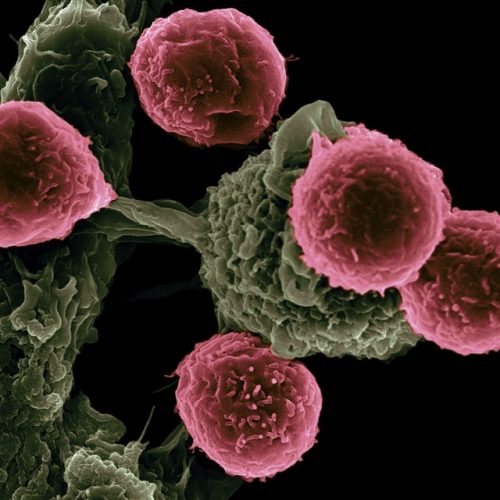
The scope of cancer investigation extends far beyond the traditional lab bench. Modern oncology integrates diverse disciplines, creating interdisciplinary roles that require a blend of scientific acumen and technological proficiency. For instance, the advent of precision medicine has amplified the need for experts in genomics and proteomics, who can analyze vast datasets to identify personalized treatment strategies. Similarly, the rapid advancements in immunotherapy have opened new frontiers for immunologists and cell biologists dedicated to harnessing the body's own defenses against malignant cells. Professionals with expertise in handling sophisticated lab equipment are also in high demand, ensuring the smooth execution of complex experiments and the generation of reliable data.
One of the most exciting areas is gene editing, particularly with technologies like CRISPR-Cas9. This revolutionary tool allows scientists to precisely modify DNA, offering unprecedented potential for correcting genetic mutations that lead to cancer or engineering immune cells to more effectively target tumors. Pursuing a career in this cutting-edge domain requires a deep understanding of genetics and molecular biology, often gained through specialized training and workshops. The journey of drug discovery, from initial compound screening to preclinical testing and clinical trials, also represents a significant career pathway, demanding rigorous scientific methodology and a keen eye for detail.
For those seeking impactful roles in biotechnology, the oncology sector offers a fertile ground. These positions often involve working on the development of new diagnostic tools, therapeutic agents, and vaccines. Opportunities abound in both large pharmaceutical corporations and agile biotech startups, each offering unique environments for professional growth. Attending biotech conferences is an excellent way to network with industry leaders, discover emerging trends, and identify potential employers. These events also provide platforms to present your own research, fostering collaborations and enhancing your professional visibility.
Securing research grants is a crucial aspect of advancing a career in academic or non-profit research. These grants provide the necessary funding for ambitious projects, allowing scientists to explore novel hypotheses and push the boundaries of knowledge. Developing strong grant writing skills and a compelling research proposal is essential for success in this competitive landscape. Furthermore, the burgeoning field of stem cells research continues to offer profound insights into cancer initiation and progression, providing a powerful model system for studying disease mechanisms and testing new therapies. Roles in stem cell biology are highly specialized and contribute directly to the development of regenerative medicine and advanced cancer treatments.
To truly excel and explore your potential in this field, specialized training is paramount. Programs that focus on the "Molecular Basis of Cancer Therapeutics and Targets" are particularly valuable, as they equip individuals with the in-depth knowledge required to understand how cancer develops and how various therapies intervene. These programs often cover advanced topics in molecular biology, pharmacology, immunology, and bioinformatics, preparing graduates for roles in both research and industry. Hands-on experience with state-of-the-art lab equipment and exposure to real-world research challenges are critical components of such training.
Deep Science Workshops and Deep Science Implementation programs, such as the Molecular Basis of Cancer Therapeutics and Targets course, are designed to bridge the gap between theoretical knowledge and practical application. They provide intensive learning experiences that delve into the latest techniques in gene editing, high-throughput screening for drug discovery, and advanced cellular imaging. Such workshops are invaluable for anyone looking to enhance their skill set, whether they are recent graduates, early-career researchers, or seasoned professionals aiming to pivot into the oncology sector. The practical insights gained from these immersive experiences can significantly boost your employability and effectiveness in a competitive job market.
A career in oncology research is more than just a job; it's a profound commitment to improving human health. Every breakthrough, no matter how small, contributes to the larger goal of eradicating cancer. From uncovering new biomarkers for early detection to developing more effective and less toxic cancer therapy options, your work can directly impact millions of lives globally. The collaborative nature of the field, often involving international partnerships and multidisciplinary teams, ensures a dynamic and intellectually stimulating environment.
Staying updated with the latest advancements by attending biotech conferences and engaging with scientific literature is crucial. The rapid pace of discovery means continuous learning is not just beneficial but essential. Whether you are analyzing complex genomic data, culturing stem cells for therapeutic applications, or designing the next generation of targeted drugs, your expertise will be at the forefront of medical innovation. The satisfaction of contributing to a cause of such global importance is a unique reward in itself, making this a truly fulfilling path.
If you are ready to immerse yourself in the cutting-edge world of oncology and contribute to life-changing discoveries, consider enhancing your expertise. Our comprehensive program on the "Molecular Basis of Cancer Therapeutics and Targets" is specifically designed to equip you with the advanced knowledge and practical skills needed to thrive in this critical field. Join us and become a part of the solution in the fight against cancer.
Join Now