
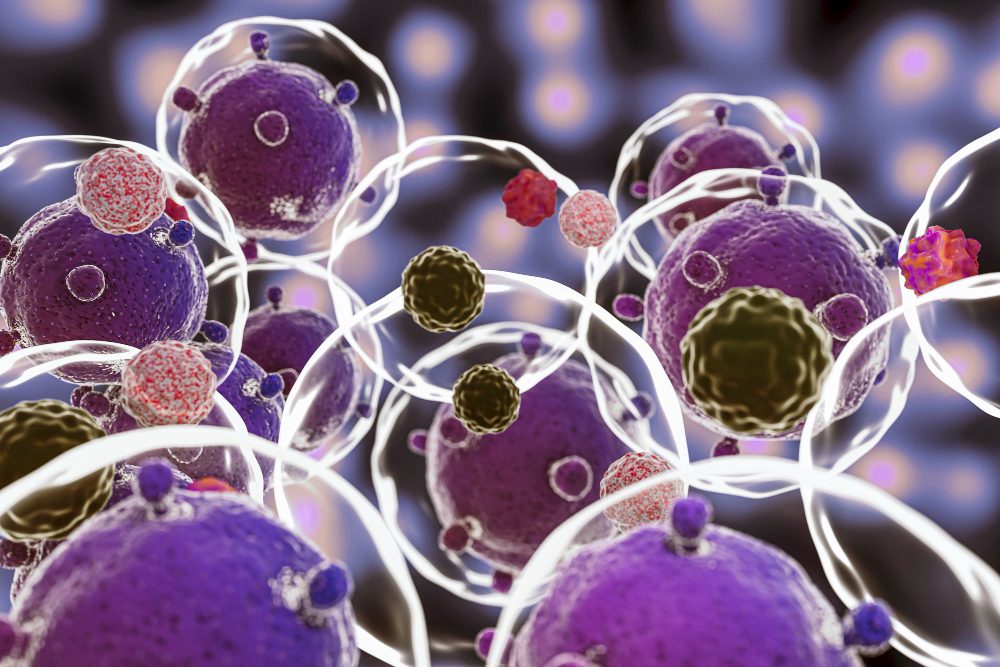
Understanding Viral Cancers / वायरल कैंसर को समझना
Viral oncogenesis, the process by which viruses cause cancer, is a complex yet fascinating area of study within viral oncology. Viruses don't directly transform cells into cancerous ones in most cases; rather, they introduce genetic material or alter cellular processes that, over time, lead to uncontrolled cell growth. For instance, HPV integrates its DNA into host cells, producing proteins that interfere with tumor suppressor genes. Similarly, HBV and HCV cause chronic inflammation and liver damage, creating an environment conducive to hepatocellular carcinoma. Understanding these mechanisms is fundamental for developing effective cancer prevention campaigns.
हिन्दी में: वायरल ऑन्कोजेनेसिस, वह प्रक्रिया जिसके द्वारा वायरस कैंसर का कारण बनते हैं, वायरल ऑन्कोलॉजी के भीतर अध्ययन का एक जटिल लेकिन आकर्षक क्षेत्र है। वायरस अधिकांश मामलों में सीधे कोशिकाओं को कैंसरग्रस्त कोशिकाओं में परिवर्तित नहीं करते हैं; बल्कि, वे आनुवंशिक सामग्री पेश करते हैं या सेलुलर प्रक्रियाओं को बदलते हैं जो समय के साथ, अनियंत्रित कोशिका वृद्धि का कारण बनते हैं। उदाहरण के लिए, एचपीवी अपने डीएनए को मेजबान कोशिकाओं में एकीकृत करता है, जिससे ऐसे प्रोटीन उत्पन्न होते हैं जो ट्यूमर सप्रेसर जीन में हस्तक्षेप करते हैं। इसी तरह, एचबीवी और एचसीवी पुरानी सूजन और यकृत क्षति का कारण बनते हैं, जिससे हेपेटोसेलुलर कार्सिनोमा के लिए अनुकूल वातावरण बनता है। इन तंत्रों को समझना प्रभावी कैंसर रोकथाम अभियानों को विकसित करने के लिए मौलिक है।
The spectrum of virus-caused cancers is broad, ranging from cervical and oropharyngeal cancers linked to HPV, to liver cancers from HBV and HCV, lymphomas and nasopharyngeal carcinoma from EBV, and rare skin cancers from MCV. Each virus presents unique challenges for public health, requiring tailored strategies for prevention and control. The success of these strategies heavily relies on robust public health U.S. infrastructure and the ability to disseminate accurate information widely, ensuring high levels of viral cancer awareness across diverse populations.
हिन्दी में: वायरस-प्रेरित कैंसर का स्पेक्ट्रम व्यापक है, जिसमें एचपीवी से जुड़े गर्भाशय ग्रीवा और ऑरोफैरिंजियल कैंसर से लेकर एचबीवी और एचसीवी से होने वाले यकृत कैंसर, ईबीवी से होने वाले लिम्फोमा और नासोफेरिंजियल कार्सिनोमा, और एमसीवी से होने वाले दुर्लभ त्वचा कैंसर तक शामिल हैं। प्रत्येक वायरस सार्वजनिक स्वास्थ्य के लिए अनूठी चुनौतियाँ प्रस्तुत करता है, जिसके लिए रोकथाम और नियंत्रण के लिए अनुकूलित रणनीतियों की आवश्यकता होती है। इन रणनीतियों की सफलता मजबूत सार्वजनिक स्वास्थ्य यू.एस. बुनियादी ढांचे और विभिन्न आबादी में वायरल कैंसर जागरूकता के उच्च स्तर को सुनिश्चित करने के लिए सटीक जानकारी को व्यापक रूप से प्रसारित करने की क्षमता पर बहुत अधिक निर्भर करती है।
The Role of Public Health Campaigns in the U.S. / अमेरिका में सार्वजनिक स्वास्थ्य अभियानों की भूमिका
Public health campaigns in the U.S. are multi-faceted, employing a combination of education, policy, and direct intervention to combat virus-caused cancers. These initiatives are often spearheaded by government agencies like the Centers for Disease Control and Prevention (CDC) and the National Cancer Institute (NCI), alongside non-profit organizations and academic institutions. Their efforts are designed to reach every segment of the population, from school-aged children to adults, ensuring that critical information about prevention is accessible and actionable. A key focus is on promoting immunization programs as a primary defense.
हिन्दी में: यू.एस. में सार्वजनिक स्वास्थ्य अभियान बहुआयामी हैं, जो वायरस-प्रेरित कैंसर से लड़ने के लिए शिक्षा, नीति और प्रत्यक्ष हस्तक्षेप के संयोजन का उपयोग करते हैं। इन पहलों का नेतृत्व अक्सर रोग नियंत्रण और रोकथाम केंद्र (सीडीसी) और राष्ट्रीय कैंसर संस्थान (एनसीआई) जैसी सरकारी एजेंसियां, गैर-लाभकारी संगठनों और शैक्षणिक संस्थानों के साथ मिलकर करती हैं। उनके प्रयासों को आबादी के हर वर्ग तक पहुंचने के लिए डिज़ाइन किया गया है, स्कूल जाने वाले बच्चों से लेकर वयस्कों तक, यह सुनिश्चित करते हुए कि रोकथाम के बारे में महत्वपूर्ण जानकारी सुलभ और कार्रवाई योग्य है। एक प्रमुख ध्यान प्राथमिक रक्षा के रूप में टीकाकरण कार्यक्रमों को बढ़ावा देने पर है।
These cancer prevention campaigns utilize various communication channels, including digital media, traditional advertising, community outreach events, and partnerships with healthcare providers. The messaging is carefully crafted to be culturally sensitive and address potential barriers to vaccination or screening. For example, campaigns might highlight the safety and efficacy of vaccines, dispel myths, or provide information on where to access free or low-cost screenings. This comprehensive approach underscores the commitment of public health U.S. entities to proactive disease prevention, embodying the spirit of Deep Science Ethics in practice.
हिन्दी में: ये कैंसर रोकथाम अभियान विभिन्न संचार चैनलों का उपयोग करते हैं, जिसमें डिजिटल मीडिया, पारंपरिक विज्ञापन, सामुदायिक आउटरीच कार्यक्रम और स्वास्थ्य सेवा प्रदाताओं के साथ साझेदारी शामिल है। टीकाकरण या स्क्रीनिंग में संभावित बाधाओं को दूर करने के लिए संदेशों को सांस्कृतिक रूप से संवेदनशील और सावधानीपूर्वक तैयार किया जाता है। उदाहरण के लिए, अभियान टीकों की सुरक्षा और प्रभावकारिता को उजागर कर सकते हैं, मिथकों को दूर कर सकते हैं, या मुफ्त या कम लागत वाली स्क्रीनिंग तक पहुंचने के बारे में जानकारी प्रदान कर सकते हैं। यह व्यापक दृष्टिकोण सक्रिय रोग रोकथाम के प्रति सार्वजनिक स्वास्थ्य यू.एस. संस्थाओं की प्रतिबद्धता को रेखांकित करता है, अभ्यास में डीप साइंस एथिक्स की भावना को मूर्त रूप देता है।
HPV Vaccination Programs / एचपीवी टीकाकरण कार्यक्रम
The HPV vaccine stands as one of the most significant breakthroughs in cancer prevention. It protects against the types of HPV that most commonly cause cervical, anal, oropharyngeal, penile, vaginal, and vulvar cancers. Public health campaigns have been instrumental in increasing HPV vaccination rates among adolescents in the U.S. These campaigns focus on educating parents, healthcare providers, and the adolescents themselves about the vaccine's safety, efficacy, and its role in preventing future cancers. The emphasis on early vaccination, ideally before exposure to the virus, is a cornerstone of HPV awareness efforts.
हिन्दी में: एचपीवी वैक्सीन कैंसर की रोकथाम में सबसे महत्वपूर्ण सफलताओं में से एक है। यह एचपीवी के उन प्रकारों से बचाता है जो आमतौर पर गर्भाशय ग्रीवा, गुदा, ऑरोफैरिंजियल, लिंग, योनि और योनि के कैंसर का कारण बनते हैं। यू.एस. में किशोरों के बीच एचपीवी टीकाकरण दरों को बढ़ाने में सार्वजनिक स्वास्थ्य अभियान सहायक रहे हैं। ये अभियान माता-पिता, स्वास्थ्य सेवा प्रदाताओं और स्वयं किशोरों को वैक्सीन की सुरक्षा, प्रभावकारिता और भविष्य के कैंसर को रोकने में इसकी भूमिका के बारे में शिक्षित करने पर ध्यान केंद्रित करते हैं। वायरस के संपर्क में आने से पहले, आदर्श रूप से, शीघ्र टीकाकरण पर जोर एचपीवी जागरूकता प्रयासों का एक आधारशिला है।
Despite the vaccine's proven effectiveness, challenges remain in achieving optimal vaccination coverage. Misinformation, vaccine hesitancy, and lack of consistent recommendations from healthcare providers can hinder progress. Public health campaigns counter these challenges through targeted Deep Science Communication, providing evidence-based information and empowering healthcare professionals to confidently recommend the vaccine. Furthermore, initiatives to integrate HPV vaccination into routine adolescent health visits and school-based health programs are vital components of comprehensive cancer prevention campaigns, aiming to protect the next generation from these preventable cancers.
हिन्दी में: वैक्सीन की सिद्ध प्रभावशीलता के बावजूद, इष्टतम टीकाकरण कवरेज प्राप्त करने में चुनौतियां बनी हुई हैं। गलत सूचना, वैक्सीन के प्रति हिचकिचाहट, और स्वास्थ्य सेवा प्रदाताओं से सुसंगत सिफारिशों की कमी प्रगति में बाधा डाल सकती है। सार्वजनिक स्वास्थ्य अभियान लक्षित डीप साइंस कम्युनिकेशन के माध्यम से इन चुनौतियों का सामना करते हैं, साक्ष्य-आधारित जानकारी प्रदान करते हैं और स्वास्थ्य पेशेवरों को आत्मविश्वास से वैक्सीन की सिफारिश करने के लिए सशक्त बनाते हैं। इसके अलावा, किशोरों के नियमित स्वास्थ्य दौरे और स्कूल-आधारित स्वास्थ्य कार्यक्रमों में एचपीवी टीकाकरण को एकीकृत करने की पहल व्यापक कैंसर रोकथाम अभियानों के महत्वपूर्ण घटक हैं, जिसका उद्देश्य अगली पीढ़ी को इन रोके जा सकने वाले कैंसर से बचाना है।
Addressing EBV and Other Viruses / ईबीवी और अन्य वायरसों का समाधान
Beyond HPV, other oncogenic viruses like Epstein-Barr Virus (EBV) also pose significant public health challenges. EBV is associated with several cancers, including certain lymphomas (e.g., Burkitt lymphoma, Hodgkin lymphoma), nasopharyngeal carcinoma, and some gastric cancers. Unlike HPV, there isn't a widely available vaccine for EBV, making prevention more complex. Public health efforts for EBV primarily focus on research into vaccine development and understanding transmission patterns to develop non-vaccine prevention strategies. This highlights the ongoing need for robust EBV outreach and research funding.
हिन्दी में: एचपीवी के अलावा, एपस्टीन-बार वायरस (ईबीवी) जैसे अन्य ऑन्कोजेनिक वायरस भी महत्वपूर्ण सार्वजनिक स्वास्थ्य चुनौतियां पेश करते हैं। ईबीवी कई कैंसर से जुड़ा है, जिसमें कुछ लिम्फोमा (जैसे, बर्किट लिम्फोमा, हॉजकिन लिम्फोमा), नासोफेरिंजियल कार्सिनोमा, और कुछ गैस्ट्रिक कैंसर शामिल हैं। एचपीवी के विपरीत, ईबीवी के लिए कोई व्यापक रूप से उपलब्ध वैक्सीन नहीं है, जिससे रोकथाम अधिक जटिल हो जाती है। ईबीवी के लिए सार्वजनिक स्वास्थ्य प्रयास मुख्य रूप से वैक्सीन विकास और संचरण पैटर्न को समझने के लिए अनुसंधान पर ध्यान केंद्रित करते हैं ताकि गैर-वैक्सीन रोकथाम रणनीतियों को विकसित किया जा सके। यह मजबूत ईबीवी आउटरीच और अनुसंधान निधि की चल रही आवश्यकता को उजागर करता है।
Hepatitis B and C viruses (HBV and HCV) are major causes of liver cancer globally and in the U.S. Effective vaccines exist for HBV, and immunization programs have significantly reduced new HBV infections, especially among children. For HCV, while there is no vaccine, highly effective antiviral treatments can cure most infections, thereby preventing progression to liver cancer. Public health campaigns for HBV and HCV focus on promoting vaccination for HBV, screening for both viruses, and linking infected individuals to care and treatment. These efforts are critical components of comprehensive public health U.S. initiatives to reduce the burden of liver cancer and exemplify the commitment to Deep Science Outreach.
हिन्दी में: हेपेटाइटिस बी और सी वायरस (एचबीवी और एचसीवी) विश्व स्तर पर और यू.एस. में यकृत कैंसर के प्रमुख कारण हैं। एचबीवी के लिए प्रभावी टीके मौजूद हैं, और टीकाकरण कार्यक्रमों ने नई एचबीवी संक्रमणों को काफी कम कर दिया है, खासकर बच्चों में। एचसीवी के लिए, जबकि कोई वैक्सीन नहीं है, अत्यधिक प्रभावी एंटीवायरल उपचार अधिकांश संक्रमणों को ठीक कर सकते हैं, जिससे यकृत कैंसर की प्रगति को रोका जा सके। एचबीवी और एचसीवी के लिए सार्वजनिक स्वास्थ्य अभियान एचबीवी के लिए टीकाकरण को बढ़ावा देने, दोनों वायरसों के लिए स्क्रीनिंग करने, और संक्रमित व्यक्तियों को देखभाल और उपचार से जोड़ने पर ध्यान केंद्रित करते हैं। ये प्रयास यकृत कैंसर के बोझ को कम करने के लिए व्यापक सार्वजनिक स्वास्थ्य यू.एस. पहलों के महत्वपूर्ण घटक हैं और डीप साइंस आउटरीच के प्रति प्रतिबद्धता का उदाहरण हैं।
The Power of Education and Screening / शिक्षा और स्क्रीनिंग की शक्ति
Beyond vaccination, education and early screening play indispensable roles in preventing and detecting virus-caused cancers. Public health campaigns continuously work to improve viral cancer awareness by informing the public about risk factors, symptoms, and the importance of regular medical check-ups. For example, regular Pap tests and HPV tests are crucial for detecting cervical precancers, allowing for timely intervention before cancer develops. Similarly, screening for HBV and HCV is vital for at-risk populations to identify infections early and initiate treatment.
हिन्दी में: टीकाकरण के अलावा, शिक्षा और शीघ्र जांच वायरस-प्रेरित कैंसर को रोकने और पता लगाने में अपरिहार्य भूमिका निभाते हैं। सार्वजनिक स्वास्थ्य अभियान जोखिम कारकों, लक्षणों और नियमित चिकित्सा जांच के महत्व के बारे में जनता को सूचित करके वायरल कैंसर जागरूकता में सुधार के लिए लगातार काम करते हैं। उदाहरण के लिए, नियमित पैप टेस्ट और एचपीवी टेस्ट गर्भाशय ग्रीवा के पूर्व-कैंसर का पता लगाने के लिए महत्वपूर्ण हैं, जिससे कैंसर विकसित होने से पहले समय पर हस्तक्षेप किया जा सके। इसी तरह, एचबीवी और एचसीवी के लिए स्क्रीनिंग जोखिम वाली आबादी के लिए संक्रमणों को जल्दी पहचानने और उपचार शुरू करने के लिए महत्वपूर्ण है।
Effective Deep Science Communication is at the heart of these educational efforts. It involves translating complex scientific information into understandable messages that resonate with diverse communities. This includes addressing health disparities and ensuring that prevention resources are equitably distributed. By fostering a culture of proactive health management and regular screening, cancer prevention campaigns contribute significantly to reducing the overall cancer burden in the U.S., demonstrating a commitment to Deep Science Ethics in public health practice.
हिन्दी में: प्रभावी डीप साइंस कम्युनिकेशन इन शैक्षिक प्रयासों के केंद्र में है। इसमें जटिल वैज्ञानिक जानकारी को समझने योग्य संदेशों में अनुवाद करना शामिल है जो विविध समुदायों के साथ प्रतिध्वनित होते हैं। इसमें स्वास्थ्य असमानताओं को दूर करना और यह सुनिश्चित करना शामिल है कि रोकथाम के संसाधन समान रूप से वितरित हों। सक्रिय स्वास्थ्य प्रबंधन और नियमित स्क्रीनिंग की संस्कृति को बढ़ावा देकर, कैंसर रोकथाम अभियान यू.एस. में समग्र कैंसर बोझ को कम करने में महत्वपूर्ण योगदान देते हैं, सार्वजनिक स्वास्थ्य अभ्यास में डीप साइंस एथिक्स के प्रति प्रतिबद्धता का प्रदर्शन करते हैं।
Future Directions and Ethical Considerations / भविष्य की दिशाएँ और नैतिक विचार
The fight against virus-caused cancers is dynamic, with ongoing research continually uncovering new insights and developing innovative prevention and treatment strategies. Future public health U.S. campaigns will likely incorporate advancements in broader immunization programs, including potential vaccines for EBV and other oncogenic viruses. Personalized prevention strategies, based on an individual's genetic predisposition and viral exposure history, may also become more prevalent. These advancements necessitate a strong foundation of Deep Science Ethics to ensure equitable access and responsible implementation of new technologies.
हिन्दी में: वायरस-प्रेरित कैंसर के खिलाफ लड़ाई गतिशील है, जिसमें चल रहे शोध लगातार नई अंतर्दृष्टि का खुलासा कर रहे हैं और नवीन रोकथाम और उपचार रणनीतियों का विकास कर रहे हैं। भविष्य के सार्वजनिक स्वास्थ्य यू.एस. अभियान संभवतः व्यापक टीकाकरण कार्यक्रमों में प्रगति को शामिल करेंगे, जिसमें ईबीवी और अन्य ऑन्कोजेनिक वायरसों के लिए संभावित टीके शामिल हैं। एक व्यक्ति की आनुवंशिक प्रवृत्ति और वायरल एक्सपोजर इतिहास के आधार पर व्यक्तिगत रोकथाम रणनीतियाँ भी अधिक प्रचलित हो सकती हैं। इन प्रगतियों के लिए नई तकनीकों की समान पहुंच और जिम्मेदार कार्यान्वयन सुनिश्चित करने के लिए डीप साइंस एथिक्स की एक मजबूत नींव की आवश्यकता है।
Maintaining high levels of viral cancer awareness and fostering trust in public health institutions will remain paramount. This requires continuous Deep Science Communication that is transparent, accurate, and responsive to public concerns. Deep Science Outreach efforts will be crucial in engaging communities, addressing health literacy gaps, and building partnerships that strengthen the collective capacity to prevent and control virus-caused cancers. The ongoing commitment to research, public education, and equitable access to preventive measures will ultimately determine the success of these vital public health endeavors in the U.S.
हिन्दी में: वायरल कैंसर जागरूकता के उच्च स्तर को बनाए रखना और सार्वजनिक स्वास्थ्य संस्थानों में विश्वास को बढ़ावा देना सर्वोपरि रहेगा। इसके लिए निरंतर डीप साइंस कम्युनिकेशन की आवश्यकता है जो पारदर्शी, सटीक और सार्वजनिक चिंताओं के प्रति उत्तरदायी हो। डीप साइंस आउटरीच प्रयास समुदायों को जोड़ने, स्वास्थ्य साक्षरता अंतराल को दूर करने और ऐसी साझेदारियों का निर्माण करने में महत्वपूर्ण होंगे जो वायरस-प्रेरित कैंसर को रोकने और नियंत्रित करने की सामूहिक क्षमता को मजबूत करते हैं। अनुसंधान, सार्वजनिक शिक्षा और निवारक उपायों तक समान पहुंच के प्रति चल रही प्रतिबद्धता अंततः यू.एस. में इन महत्वपूर्ण सार्वजनिक स्वास्थ्य प्रयासों की सफलता को निर्धारित करेगी।