
The Promise and Peril of Bioprinting
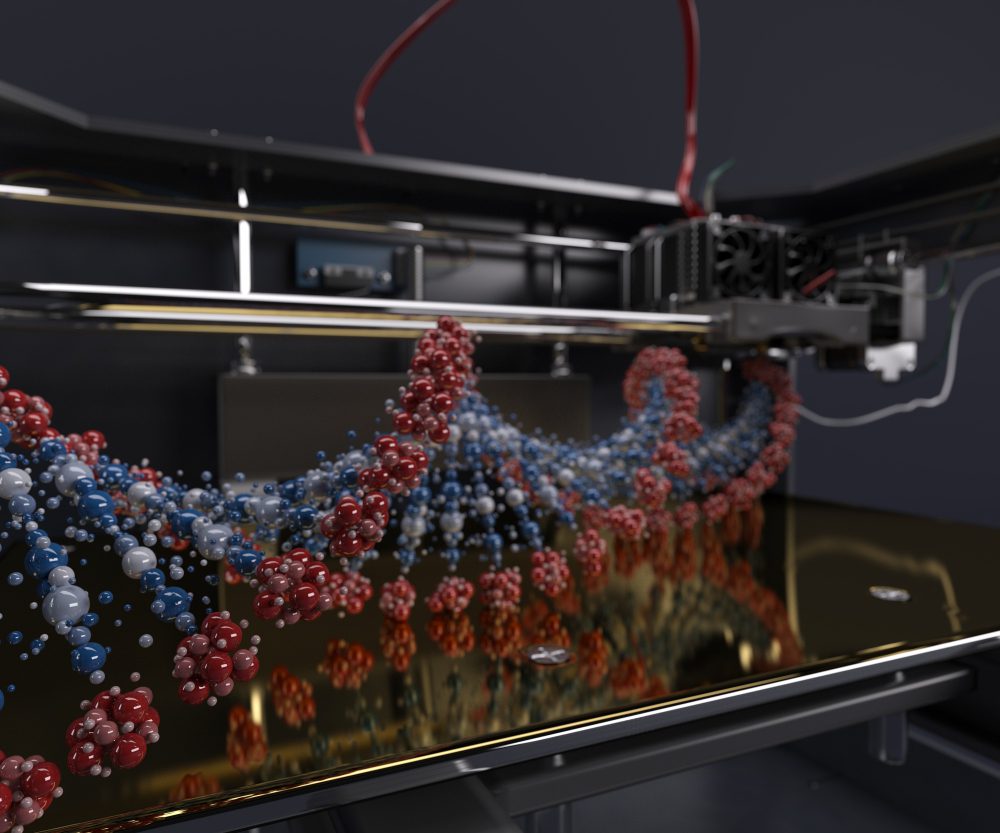
Bioprinting represents a paradigm shift in healthcare, offering the potential to overcome critical limitations of traditional organ transplantation and tissue repair. From creating skin grafts for burn victims to developing functional heart tissues for drug testing, the applications are vast and transformative. However, the complexity of living tissues, the variability of biological materials, and the inherent risks associated with implantable devices necessitate stringent oversight. The unique challenges posed by bioprinted products, which often contain living cells and are intended for direct human application, place them at a critical juncture within existing regulatory frameworks. These products blur the lines between medical devices, pharmaceuticals, and advanced therapy medicinal products (ATMPs), demanding a nuanced approach to 3D printing compliance.
Bilangual The revolutionary potential of bioprinting is undeniable, yet it comes with significant challenges. The living nature of bioprinted constructs and their intended use in humans require careful regulatory consideration. Classifying these hybrid products within established legal categories is a primary hurdle, emphasizing the need for comprehensive guidelines to ensure their safe and effective development and deployment.
Sweden's Regulatory Framework: An Overview
Sweden, as a member of the European Union (EU), largely adheres to EU regulations concerning medical devices and advanced therapy medicinal products. This means that the EU Medical Device Regulation (MDR 2017/745) and the In Vitro Diagnostic Medical Device Regulation (IVDR 2017/746) form the bedrock of bioprinting regulations Sweden follows. For products containing viable cells or tissues, the ATMP Regulation (EC) No 1394/2007 is particularly relevant. These regulations are transposed into Swedish law, primarily overseen by the Medical Products Agency (Läkemedelsverket). This agency is responsible for the authorization and supervision of medicinal products and medical devices in Sweden, playing a pivotal role in ensuring biomedical laws are upheld.
Bilangual Sweden's regulatory landscape for bioprinting is deeply integrated with EU directives, particularly the MDR, IVDR, and ATMP regulations. The Medical Products Agency (Läkemedelsverket) serves as the primary national authority, ensuring that all bioprinted products comply with both European and specific Swedish legal requirements, thereby safeguarding public health and promoting responsible innovation.
Classification of Bioprinted Products
One of the initial and most critical steps in navigating the regulatory pathway for bioprinted products is their correct classification. Depending on their composition, intended use, and mechanism of action, bioprinted constructs can fall into several categories:
- Medical Devices: If the primary intended action is physical or mechanical, and it achieves its purpose without pharmacological, immunological, or metabolic means. Many non-viable bioprinted scaffolds might fall here.
- Advanced Therapy Medicinal Products (ATMPs): This category is highly relevant for bioprinted products containing viable cells or tissues that are substantially manipulated or used for a different essential function than in the body. ATMPs include gene therapy medicinal products, somatic cell therapy medicinal products, and tissue-engineered products. Most complex bioprinted tissues and organs will likely be classified as ATMPs, requiring rigorous clinical trials and market authorization from the European Medicines Agency (EMA) before being made available in Sweden.
- Combination Products: Products that combine a medical device with a medicinal product (e.g., a bioprinted scaffold impregnated with a growth factor). These require assessment under both medical device and medicinal product regulations.
Bilangual Correctly classifying bioprinted products is fundamental to regulatory compliance. They can be categorized as medical devices, ATMPs (especially if containing viable cells), or combination products, each demanding distinct regulatory pathways under EU and Swedish biomedical laws. This initial classification dictates the subsequent regulatory requirements and approval processes.
Key Compliance Requirements and Pathways
Regardless of classification, developers of bioprinted products in Sweden must adhere to several key compliance requirements to ensure safety, quality, and efficacy. These requirements are stringent and designed to protect patients while fostering responsible innovation.
Pre-Market Authorization and Clinical Evaluation
For ATMPs, a centralized authorization procedure through the EMA is typically required. This involves submitting a comprehensive dossier demonstrating quality, safety, and efficacy. Clinical trials, often multi-phase, are essential to gather this evidence. For medical devices, a Conformity Assessment Procedure is required, leading to CE marking, which allows market access within the EU, including Sweden. This often involves a Notified Body assessment for higher-risk devices.
Bilangual Obtaining pre-market authorization is a critical hurdle. ATMPs typically require EMA approval based on extensive clinical trials, while medical devices need CE marking after a conformity assessment. These processes are central to 3D printing compliance and ensuring products meet the necessary safety and efficacy standards before reaching patients in Sweden.
Quality Management Systems (QMS)
Manufacturers must implement a robust Quality Management System (QMS), often based on ISO 13485 for medical devices or Good Manufacturing Practice (GMP) for ATMPs. A QMS ensures consistent product quality, traceability, and adherence to regulatory standards throughout the product lifecycle, from design and development to production and post-market surveillance. This is a foundational element of responsible manufacturing in the bioprinting sector.
Bilangual A stringent Quality Management System, such as ISO 13485 or GMP, is indispensable for bioprinting manufacturers. It guarantees consistent product quality, comprehensive traceability, and continuous adherence to regulatory benchmarks, forming the backbone of bioprinting regulations Sweden enforces for product integrity.
Ethical Considerations and Patient Consent
Given the use of human cells and tissues, ethical considerations are paramount. Obtaining informed consent from donors is crucial, and strict adherence to data protection regulations (like GDPR) is mandatory. Research involving human subjects must be approved by an ethical review board. Sweden has a strong ethical framework, and organizations like Deep Science Ethics play a vital role in guiding responsible innovation in this sensitive area, ensuring that scientific advancement does not compromise human dignity or rights.
Bilangual Ethical considerations, including informed consent and data protection, are central to bioprinting. All research involving human materials must undergo ethical review. Sweden's strong ethical guidelines, reinforced by entities like Deep Science Ethics, ensure that technological progress aligns with moral principles and patient well-being, a critical aspect of biomedical laws.
Post-Market Surveillance and Vigilance
Once a bioprinted product is on the market, continuous monitoring is required. Manufacturers must collect data on product performance, identify any adverse events, and report them to the relevant authorities (e.g., Läkemedelsverket). This post-market surveillance ensures ongoing safety and allows for timely corrective actions if issues arise. Vigilance systems are in place to manage and report incidents, contributing to the long-term safety profile of these innovative products.
Bilangual Post-market surveillance is essential for the ongoing safety of bioprinted products. Manufacturers must continuously monitor performance, report adverse events, and take corrective actions. This vigilance system, integral to 3D printing compliance, ensures long-term product safety and accountability within the Swedish regulatory environment.
The Role of Deep Science Innovation in Navigating the Landscape
The complexity of bioprinting regulations Sweden presents necessitates expert guidance. Organizations focused on fostering responsible technological advancement, such as Deep Science Innovation, are instrumental in assisting companies and researchers in navigating these intricate pathways. They provide insights into emerging regulatory trends, help with strategic planning for compliance, and advocate for policies that balance innovation with safety. By bridging the gap between cutting-edge science and regulatory requirements, they accelerate the translation of bioprinting research into clinical reality.
Bilangual Navigating the complex Swedish bioprinting regulatory landscape requires specialized expertise. Organizations like Deep Science Innovation are crucial in guiding stakeholders through compliance, interpreting evolving regulations, and advocating for policies that support both innovation and safety. Their role is vital in streamlining the path from research to practical application, ensuring adherence to all biomedical laws.
Challenges and Future Outlook
Despite the established frameworks, several challenges persist in the regulatory landscape for bioprinting. The rapid pace of technological development often outstrips the speed at which regulations can be updated, leading to ambiguities. Standardization of biomaterials and bioprinting processes remains an ongoing effort. Furthermore, the long-term effects and integration of complex bioprinted tissues within the human body are still areas of active research, requiring adaptive regulatory approaches.
Looking ahead, Sweden is poised to remain a key player in bioprinting innovation. There is a strong emphasis on collaborative research between academia, industry, and healthcare providers. Future regulatory developments are likely to focus on greater harmonization internationally, more specific guidelines for combination products, and frameworks for personalized bioprinted therapies. The continuous dialogue between regulators, scientists, and industry stakeholders will be vital in shaping a supportive yet secure environment for bioprinting to flourish responsibly.
Bilangual The bioprinting regulatory landscape faces challenges from rapid technological evolution and the need for standardization. Sweden is expected to maintain its leadership, with future regulations likely emphasizing international harmonization and clearer guidelines for personalized and combination products. Ongoing collaboration among stakeholders is crucial for balanced growth in this field, ensuring robust bioprinting regulations Sweden can adapt to emerging innovations.
Conclusion: Navigating the Future of Bioprinting in Sweden
The regulatory landscape for bioprinting in Sweden is a dynamic and evolving domain, shaped by EU directives and national implementation by the Medical Products Agency. While complex, a clear understanding of classification, pre-market authorization, quality management, ethical considerations, and post-market surveillance is essential for successful development and market entry. The commitment to patient safety and ethical practice, championed by entities like Deep Science Ethics and supported by the strategic guidance of Deep Science Innovation, ensures that Sweden remains at the forefront of responsible bioprinting advancement. As the technology continues to mature, adapting to its unique challenges with robust yet flexible regulatory frameworks will be key to unlocking its full potential for transforming healthcare.
Bilangual Navigating Sweden's bioprinting regulatory environment requires a comprehensive grasp of classification, authorization, quality, ethics, and surveillance. Sweden's dedication to safety and ethical innovation, bolstered by organizations like Deep Science Ethics and Deep Science Innovation, positions it as a leader in responsible bioprinting. Adaptable regulatory frameworks will be crucial for fully realizing the technology's transformative impact on healthcare, ensuring adherence to all biomedical laws and 3D printing compliance.