
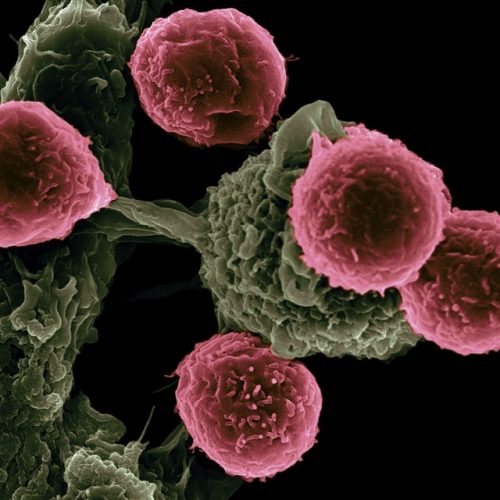
The Promise of Nanotechnology in Cancer Research
At its core, nanotechnology offers an unprecedented level of control over the interaction between therapeutic agents and biological systems. In the context of cancer research, this means designing nanoparticles that can encapsulate drugs, protect them from degradation, and navigate the body's complex biological environment to reach their intended targets. Traditional chemotherapy often suffers from poor solubility, rapid degradation, and non-specific distribution, leading to a narrow therapeutic window. Nanoparticles, however, can overcome these limitations. Their small size allows them to penetrate biological barriers, while their tunable surface properties enable them to evade immune detection and achieve prolonged circulation times. This precision is a game-changer, moving us closer to truly personalized and effective cancer treatment strategies.
Understanding Nanotechnology for Targeted Drug Delivery
The concept of nanotechnology for targeted drug delivery hinges on the ability of nanoparticles to selectively accumulate in cancerous tissues. This selectivity can be achieved through two primary mechanisms: passive targeting and active targeting. Passive targeting leverages the unique pathophysiology of tumors, particularly the enhanced permeability and retention (EPR) effect. Tumor vasculature is often leaky and disorganized, allowing nanoparticles (typically 10-100 nm in size) to extravasate from blood vessels and accumulate in the tumor interstitial space, where they are then retained due to impaired lymphatic drainage. This natural phenomenon provides a significant advantage for delivering therapeutic payloads directly to the tumor microenvironment.
Active targeting takes this a step further by functionalizing the surface of nanoparticles with specific ligands, such as antibodies, peptides, or aptamers, that bind to receptors overexpressed on the surface of cancer cells. This 'lock and key' mechanism ensures highly specific recognition and uptake by malignant cells, minimizing off-target effects on healthy tissues. For instance, nanoparticles coated with antibodies against HER2 receptors can specifically target breast cancer cells, delivering potent chemotherapeutic agents or even genes for gene therapy directly where they are needed most. This level of precision is revolutionizing pharmaceutical research and development, paving the way for drugs with higher efficacy and fewer side effects.
Key Nanoparticle Systems in Drug Delivery
A diverse array of nanoparticle systems is being explored for drug delivery in cancer therapy, each with unique properties and advantages:
- Liposomes: These spherical vesicles composed of lipid bilayers are among the most clinically advanced nanocarriers. They can encapsulate both hydrophilic and hydrophobic drugs, protecting them from degradation and reducing systemic toxicity. Doxil, a liposomal doxorubicin, was one of the first FDA-approved nanodrugs for cancer.
- Polymeric Nanoparticles: Fabricated from biodegradable polymers, these nanoparticles offer excellent versatility in terms of size, shape, and surface modification. They can encapsulate a wide range of drugs and provide controlled, sustained release, making them ideal for long-term therapeutic effects.
- Dendrimers: Highly branched, tree-like macromolecules with a precise, symmetrical structure. Their well-defined architecture allows for precise control over drug loading, targeting ligand attachment, and release kinetics. They are particularly promising for gene delivery and imaging applications.
- Micelles: Formed by the self-assembly of amphiphilic block copolymers, micelles can encapsulate hydrophobic drugs within their core. Their small size and stability in physiological conditions make them attractive for intravenous administration.
- Inorganic Nanoparticles: Including gold nanoparticles, magnetic nanoparticles, and quantum dots, these offer unique physical properties for imaging, hyperthermia, and combined therapy approaches. For example, gold nanoparticles can enhance radiation therapy or deliver drugs when exposed to specific light wavelengths.
Advantages of Nano-Enabled Cancer Treatment
The integration of nanotechnology into cancer treatment offers several profound advantages over conventional approaches:
- Reduced Systemic Toxicity: By delivering drugs specifically to tumor sites, nanoparticles minimize exposure to healthy cells, significantly reducing the severe side effects often associated with chemotherapy, such as hair loss, nausea, and bone marrow suppression.
- Improved Efficacy: Targeted delivery ensures higher concentrations of the drug reach the tumor, leading to enhanced therapeutic effects and potentially overcoming drug resistance mechanisms that often plague traditional treatments.
- Enhanced Drug Solubility and Bioavailability: Many potent anti-cancer drugs are poorly soluble in water, limiting their systemic administration. Nanocarriers can encapsulate these hydrophobic drugs, improving their solubility and enabling their effective delivery to the bloodstream.
- Protection from Degradation: Nanoparticles can shield encapsulated drugs from enzymatic degradation in the bloodstream, prolonging their circulation time and ensuring more of the active compound reaches the target.
- Ability to Overcome Biological Barriers: The small size of nanoparticles allows them to cross biological barriers like the blood-brain barrier (a significant challenge in treating brain tumors) or penetrate dense tumor stroma, improving drug access to cancer cells.
The Interdisciplinary Nature: Biotechnology and Biomedical Engineering
Advancements in nanotechnology for targeted drug delivery are a testament to the power of interdisciplinary collaboration. This field thrives at the intersection of biotechnology, biomedical engineering, molecular biology, and pharmaceutical research. Biotechnologists contribute by identifying novel drug targets, developing therapeutic biomolecules, and understanding cellular pathways. Biomedical engineers design and fabricate the nanocarriers, optimizing their physical and chemical properties for specific applications. Molecular biologists unravel the intricate mechanisms of cancer progression and drug resistance, providing crucial insights for designing smarter nanomedicines. Pharmaceutical researchers then translate these scientific breakthroughs into viable drug formulations and clinical applications. The synergy between these disciplines is critical for moving from lab bench discoveries to real-world patient benefits, requiring sophisticated lab supplies and cutting-edge research infrastructure.
Future Directions and Challenges in Nanotechnology for Cancer Therapy
While the promise of nanotechnology in cancer therapy is immense, several challenges remain. These include scaling up production of nanoparticles for clinical use, ensuring long-term stability and safety, understanding complex nanoparticle-biological interactions, and navigating stringent regulatory pathways. However, ongoing cancer research is rapidly addressing these hurdles. Future directions involve the development of 'smart' nanoparticles that can respond to specific tumor microenvironmental cues (e.g., pH, temperature, enzyme levels) for on-demand drug release, combination therapies utilizing multiple drugs or modalities (e.g., chemotherapy with gene therapy or immunotherapy), and the integration of diagnostic imaging capabilities into nanocarriers (theranostics). The ultimate goal is to achieve highly personalized cancer treatment, where nanomedicines are tailored to an individual patient's tumor characteristics, leading to unprecedented levels of efficacy and minimal side effects.
To truly advance this field, continuous innovation and education are paramount. Programs focusing on the molecular basis of cancer therapeutics and targets are essential for equipping the next generation of scientists and engineers with the knowledge and skills required to push these boundaries. This is where initiatives like Deep Science Workshops and Deep Science Implementation play a crucial role, providing hands-on training and theoretical understanding in cutting-edge areas like advanced biotechnology and nanotechnology applications in medicine.
The journey from conventional cancer treatments to highly targeted nanomedicines is a testament to human ingenuity and perseverance. As cancer research continues to evolve, powered by breakthroughs in nanotechnology and biotechnology, the vision of a future where cancer is a manageable, or even curable, disease becomes increasingly tangible. Investing in comprehensive education and practical experience in these fields is not just about advancing science; it's about saving lives.