The fight against cancer is one of humanity's most critical endeavors. With breakthroughs in cancer research and the rapid evolution of biotechnology, the landscape of cancer treatment is constantly being redefined. At the forefront of this revolution are clinical trials, the indispensable bridge between groundbreaking scientific discoveries and life-saving therapies. This article delves into the transformative power of a comprehensive program covering all aspects of clinical trials in oncology, designed to equip the next generation of professionals with the expertise to accelerate progress in this vital field.
From understanding the intricate mechanisms of molecular biology in cancer development to mastering the complexities of drug discovery and the deployment of advanced therapies like gene therapy and immunotherapy, this program offers an unparalleled educational journey. Join us as we explore how specialized training can empower individuals to make a tangible impact in the global battle against cancer, driving innovation within the biopharma sector and beyond.
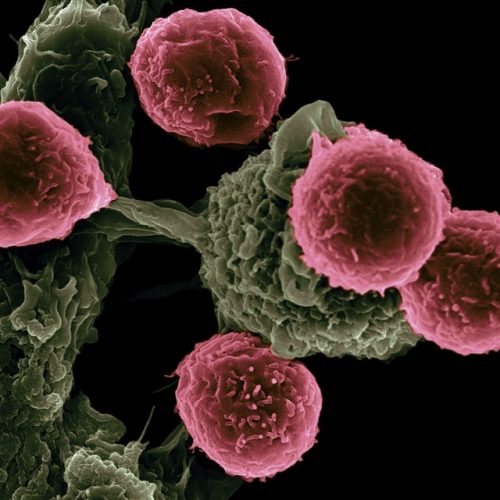
The landscape of cancer research has undergone a profound transformation in recent decades, largely driven by advancements in biotechnology. What was once a broad and often non-specific approach to cancer treatment has evolved into a highly targeted and personalized endeavor. This shift is fundamentally rooted in a deeper understanding of molecular biology – the intricate cellular and genetic mechanisms that underpin cancer development and progression. Scientists are now able to pinpoint specific mutations, aberrant pathways, and unique tumor characteristics, paving the way for therapies that are not only more effective but also less toxic to healthy cells.
Two of the most exciting and rapidly advancing fields within this frontier are gene therapy and immunotherapy. Gene therapy holds the promise of correcting genetic defects or introducing new genes to fight cancer, while immunotherapy harnesses the body's own immune system to recognize and destroy cancer cells. These innovative approaches represent a paradigm shift, moving beyond traditional chemotherapy and radiation to offer new hope for patients with previously untreatable cancers. The journey from a groundbreaking scientific discovery in a lab to a life-saving therapy available to patients is complex and arduous, making robust and ethical clinical trials absolutely indispensable.
Every significant leap in cancer treatment, from targeted therapies to revolutionary immunotherapies, has been validated through rigorous clinical trials. These meticulously designed studies are the backbone of modern medicine, ensuring that new drugs, devices, and procedures are safe and effective before they reach the broader patient population. For professionals engaged in drug discovery and development within the biopharma sector, a profound understanding of clinical trial methodology is not just beneficial, but absolutely critical.
A comprehensive program in oncology clinical trials delves into every phase of this critical process. It covers Phase I trials, which focus on safety and dosage; Phase II trials, which assess efficacy and side effects; and Phase III trials, which compare new treatments to existing standards of care. Beyond these core phases, the program also addresses regulatory affairs, ethical considerations, patient recruitment strategies, data management, statistical analysis, and the crucial aspects of post-market surveillance. Mastering these elements ensures that participants are well-equipped to navigate the complex regulatory landscapes and contribute meaningfully to the advancement of cancer treatment globally.
Recognizing the urgent need for highly skilled professionals in this dynamic field, Deep Science Workshops proudly presents a comprehensive program covering all aspects of clinical trials in oncology. This meticulously crafted program is designed to provide participants with an unparalleled depth of knowledge and practical skills, preparing them to excel in various roles across the biotechnology and biopharma industries, as well as in academic cancer research institutions.
Our curriculum goes beyond theoretical concepts, emphasizing Deep Science Implementation. Participants will gain hands-on experience and insights into the real-world application of scientific principles. Topics covered include the molecular basis of cancer, advanced diagnostic techniques, the pharmacology of anti-cancer drugs, the design and execution of clinical protocols, regulatory compliance (e.g., FDA, EMA guidelines), pharmacovigilance, and biostatistics. Special modules are dedicated to the unique challenges and opportunities presented by gene therapy and immunotherapy trials, ensuring our graduates are at the cutting edge of innovation.
This program is more than just a course; it's an immersive experience designed to bridge the gap between academic knowledge and industry demands. Through case studies, interactive discussions, and expert-led sessions, participants will develop critical thinking skills essential for problem-solving in complex clinical environments. The focus on a comprehensive program covering all aspects of clinical trials in oncology ensures that graduates are versatile and highly sought after in a competitive job market.
This specialized program is ideal for a diverse range of individuals passionate about contributing to advancements in cancer treatment and cancer research:
The program's robust curriculum ensures that graduates are well-prepared for roles in pharmaceutical companies, contract research organizations (CROs), academic medical centers, and government regulatory bodies, all contributing to the critical field of cancer treatment.
The future of oncology is bright, driven by relentless cancer research and the promise of personalized medicine. As we continue to unravel the complexities of cancer at a molecular biology level, the demand for skilled professionals capable of translating these insights into effective therapies through well-executed clinical trials will only grow. This program provides you with the foundational knowledge and practical expertise to be at the forefront of this evolution.
By enrolling in this comprehensive program covering all aspects of clinical trials in oncology, you are not just acquiring a qualification; you are investing in a career that offers profound personal and professional satisfaction. You will be part of a global effort to alleviate suffering and extend lives, contributing directly to the development of next-generation cancer treatments, including breakthroughs in gene therapy and immunotherapy. The skills gained here are directly applicable to the challenges faced by the modern biopharma industry, making you an invaluable asset.
Don't miss this opportunity to advance your career and contribute to the future of cancer care. Enroll today in the program that will equip you with the expertise needed to excel in the dynamic world of oncology clinical trials.
Join NowThe program is a comprehensive program covering all aspects of clinical trials in oncology. It focuses on equipping participants with deep knowledge and practical skills in designing, conducting, and analyzing clinical trials specifically for cancer therapies, including advanced areas like gene therapy and immunotherapy.
It's ideal for life science graduates, medical professionals, and individuals already in the biotechnology or biopharma sectors who wish to specialize in clinical trials, cancer research, and drug discovery related to oncology.
Deep Science Implementation is a core philosophy, translating theoretical knowledge into practical skills through case studies, hands-on exercises, and real-world scenarios. This ensures participants can apply their understanding of molecular biology and other scientific principles directly to clinical trial challenges.
Graduates can pursue roles such as Clinical Research Coordinator, Clinical Trial Associate, Data Manager, Regulatory Affairs Specialist, or contribute to drug discovery and development teams within pharmaceutical companies, CROs, and academic institutions focused on cancer treatment and oncology.
Yes, the program includes dedicated modules on the unique aspects and challenges of conducting clinical trials for cutting-edge therapies such as gene therapy and immunotherapy, ensuring you are up-to-date with the latest advancements in cancer treatment.