
The Dawn of Precision Medicine: Why Utilize These Cells?
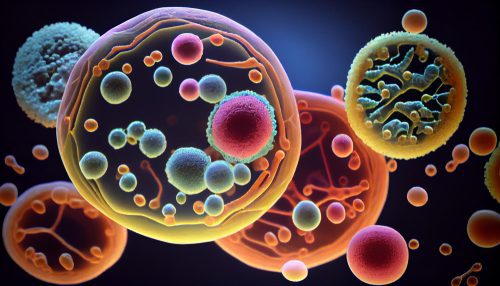
Stem cells are unique biological cells that possess the remarkable ability to self-renew and differentiate into various specialized cell types. This inherent plasticity, coupled with their natural homing capabilities—their tendency to migrate towards areas of inflammation, injury, or disease—makes them ideal candidates for targeted therapeutic delivery. Unlike synthetic nanoparticles or liposomes, these biological entities are living and can respond to physiological cues, integrate into host tissues, and even exert their own therapeutic effects, such as secreting growth factors or immunomodulatory molecules. This makes them far more than just passive carriers; they are active participants in the healing process.
The concept of employing these cells for therapeutic agent distribution leverages their biological properties to overcome limitations of conventional therapies. For instance, in treating solid tumors, these cellular carriers can be engineered to specifically target cancer cells, delivering potent anti-cancer drugs directly to the tumor microenvironment, thereby sparing healthy tissues. Similarly, for chronic inflammatory conditions, these cells can be utilized to deliver anti-inflammatory agents precisely where they are needed, offering sustained relief and potentially modifying disease progression. The integration of these cellular tools with sophisticated biotechnology has paved the way for this exciting frontier in cell therapy.
Unlocking Therapeutic Potential: Mechanisms of Advanced Therapeutic Delivery
The strategies for stem cell-based drug delivery systems are diverse and continually evolving. One primary approach involves genetically engineering these cells to express and secrete therapeutic proteins, enzymes, or antibodies. These engineered cells act as living bioreactors, continuously producing therapeutic molecules at the disease site. This method is particularly promising for gene therapy applications, where a sustained local supply of a therapeutic protein is required.
Another significant mechanism involves loading these cellular vehicles with therapeutic agents, such as small molecule drugs, nanoparticles, or even viral vectors. These agents can be encapsulated within the cells or attached to their surface. Once administered, these cells migrate to the target tissue, where they release their payload in a controlled and localized manner. This approach is highly versatile and can be adapted for a wide range of therapeutic compounds. Furthermore, the inherent immunomodulatory properties of certain cell types, like mesenchymal stem cells, can be leveraged in immunotherapy applications, distributing immune-modulating drugs directly to inflamed tissues, enhancing their therapeutic effect.
Broadening Horizons: Applications Across Diverse Diseases
The potential applications of stem cell-based drug delivery systems span a vast spectrum of medical conditions, offering hope where traditional treatments fall short. Their ability to home to specific sites and provide sustained, localized release makes them invaluable.
Cancer Therapy: Targeting with Precision
In oncology, these advanced therapeutic systems represent a paradigm shift. Conventional chemotherapy often leads to severe systemic side effects due to its non-specific action. However, engineered stem cells can selectively target tumor cells or the tumor microenvironment. For example, mesenchymal stem cells (MSCs) have a natural tropism for tumors. By loading MSCs with anti-cancer drugs, or engineering them to express suicide genes or oncolytic viruses, researchers aim to deliver highly concentrated therapeutic doses directly to the malignant site, significantly improving efficacy and reducing toxicity. This targeted therapeutic distribution is a cornerstone of future cancer treatments.
Inflammatory and Autoimmune Disorders: Modulating the Immune Response
Chronic inflammatory and autoimmune diseases, such as Crohn's disease, rheumatoid arthritis, and multiple sclerosis, are characterized by persistent inflammation and immune dysregulation. Certain stem cells, particularly MSCs, possess potent anti-inflammatory and immunomodulatory properties. When combined with targeted therapeutic distribution, they can deliver immunosuppressants or anti-inflammatory cytokines directly to inflamed tissues. This localized immunotherapy approach can dampen the immune response more effectively and with fewer systemic side effects than current treatments, offering a more nuanced and powerful form of cell therapy.
Neurological Conditions: Bridging the Blood-Brain Barrier
Treating neurological disorders like Parkinson's, Alzheimer's, and spinal cord injuries is notoriously difficult due to the formidable blood-brain barrier (BBB), which restricts the passage of most therapeutic agents. These specialized cells can potentially bypass or traverse the BBB, acting as cellular "Trojan horses" to deliver neurotrophic factors, enzymes, or gene therapies directly to the affected areas of the brain or spinal cord. This opens up unprecedented possibilities for treating conditions previously considered untreatable, showcasing the profound impact of these advanced delivery systems in neuro-regenerative medicine.
Synergies with Regenerative Medicine and Tissue Engineering
The intersection of stem cell-based drug delivery systems with regenerative medicine and tissue engineering is particularly exciting. In scenarios where tissue repair and regeneration are needed, these cells can not only deliver therapeutic agents but also contribute directly to tissue formation. For instance, in repairing damaged cartilage or bone, these cellular carriers can be loaded with growth factors that promote differentiation into chondrocytes or osteoblasts, while simultaneously secreting anti-inflammatory agents to create a conducive environment for healing. This holistic approach, often facilitated by advanced bioprinting techniques to create complex scaffolds, underscores the comprehensive potential of this field.
Navigating the Future: Challenges and Innovations
While the promise of stem cell-based drug delivery systems is immense, several challenges need to be addressed before widespread clinical adoption. These include ensuring the long-term safety and stability of engineered cells, optimizing their survival and homing efficiency post-transplantation, and scaling up production for clinical use. Regulatory hurdles also play a significant role, requiring rigorous testing and standardization.
The Role of Gene Editing (CRISPR)
Innovations in biotechnology are continually overcoming these challenges. Advanced gene therapy tools, particularly CRISPR-Cas9, are revolutionizing the precise engineering of these cells. CRISPR allows for highly specific modifications to the cellular genome, enabling researchers to insert genes for therapeutic protein production, enhance homing capabilities, or even make the cells immune-privileged, reducing rejection risk. This precision engineering is critical for developing safer and more effective therapeutic distribution systems.
Bioprinting for Advanced Delivery Platforms
Bioprinting is another transformative technology. It enables the creation of complex 3D tissue constructs with precisely placed cells and therapeutic agents. Imagine a bio-printed patch designed to release specific drugs over time while simultaneously integrating into damaged heart tissue, or a scaffold that guides nerve regeneration while delivering neurotrophic factors. This technology offers unparalleled control over the spatial and temporal release of therapeutics, pushing the boundaries of tissue engineering and advanced therapeutic distribution.
Deep Science Workshops: Empowering the Next Generation of Innovators
The rapid advancements in stem cell-based drug delivery systems underscore the critical need for specialized education and training. At Deep Science Workshops and through Deep Science Implementation programs, we are committed to nurturing the next generation of scientists and engineers who will drive these innovations forward. Our comprehensive programs in biotechnology, regenerative medicine, cell therapy, and gene therapy provide hands-on experience and in-depth knowledge, preparing participants to tackle the complex challenges and seize the immense opportunities in this field. We believe that practical, immersive learning is key to fostering true innovation and translating cutting-edge research into real-world therapeutic solutions.
Whether you are a student aspiring to enter the field or a professional looking to upskill, our workshops offer unparalleled insights into the latest techniques, including CRISPR applications, advanced therapeutic distribution strategies, and the principles of bioprinting. Join a community dedicated to pushing the boundaries of what's possible in medicine.
The journey to revolutionizing therapeutics with stem cell-based drug delivery systems is well underway. With continued research, biotechnology innovation, and dedicated training, the future of medicine looks brighter than ever, promising more targeted, effective, and personalized treatments for patients worldwide.
Join Now