
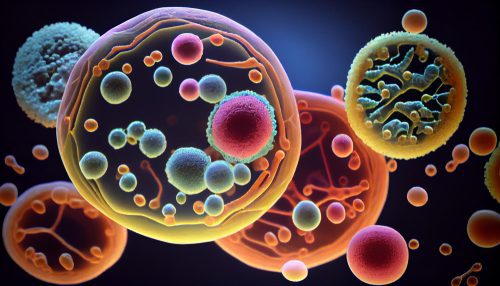
The Transformative Potential of Regenerative Medicine
Regenerative medicine, powered by the incredible versatility of stem cells, holds the key to treating conditions previously deemed incurable. Imagine regenerating heart tissue after a heart attack, repairing spinal cord injuries, or even curing diabetes by replacing damaged pancreatic cells. These are not distant dreams but active areas of scientific inquiry and therapeutic advancement. The promise of these therapies, however, comes with significant challenges, particularly concerning their long-term viability and the footprint they leave on our planet and society.
The very nature of cell therapy involves intricate laboratory processes, specialized equipment, and a continuous demand for resources. This intensive operational model necessitates a critical look at how we conduct scientific work to ensure it aligns with global sustainability goals. The objective is not just to cure diseases but to do so in a manner that respects our environment and upholds the highest ethical standards, ensuring that the benefits of biotechnology are accessible and equitable for all.
Ethical Imperatives in Stem Cell Research
The ethical landscape of stem cell research is as complex as its scientific challenges. Issues surrounding the source of stem cells, particularly embryonic stem cells, have sparked extensive debate. Responsible scientific conduct demands rigorous ethical oversight, informed consent, and transparent practices. As the field progresses, new ethical questions arise with advancements like CRISPR and gene editing, which offer unprecedented control over genetic material. The ability to modify genes in human cells brings profound implications for human identity, germline editing, and potential societal inequalities. Ethical guidelines, such as those promoted by organizations like Deep Science Workshops, are crucial to navigate these sensitive areas responsibly, ensuring that scientific progress serves humanity without compromising fundamental values.
Furthermore, the equitable access to advanced cell therapy and regenerative medicine is an emerging ethical concern. As these treatments become more sophisticated and potentially costly, ensuring they are not exclusively available to a privileged few is vital for social justice. Sustainable practices also encompass the ethical distribution of scientific benefits.
Minimizing the Environmental Footprint of Biotechnology
Laboratories, especially those engaged in intensive biotechnology and stem cell research, are significant consumers of energy, water, and disposable plastics. The environmental footprint of scientific endeavors is often overlooked but is increasingly becoming a focus for sustainability efforts. From ultra-low freezers consuming vast amounts of electricity to single-use plastics generating considerable waste, the daily operations of a modern lab can be resource-intensive.
Green Lab Practices: A Path to Sustainability
Adopting "green lab" practices is a cornerstone of sustainable scientific endeavor. This involves a multi-faceted approach:
- Energy Efficiency: Optimizing the use of energy-intensive equipment, such as centrifuges, incubators, and especially ultra-low temperature freezers. Implementing smart lab designs that maximize natural light and efficient HVAC systems can drastically reduce energy consumption in research facilities.
- Waste Reduction and Recycling: Minimizing the use of single-use plastics where possible, and establishing robust recycling programs for glass, plastics, and even biological waste. Exploring reusable alternatives for common lab consumables is also crucial for sustainable operations.
- Sustainable Sourcing: Prioritizing suppliers who offer environmentally friendly reagents, consumables, and equipment. This includes considering the entire lifecycle of products, from manufacturing to disposal.
- Water Conservation: Implementing water-saving measures in laboratories, from efficient washing protocols to recycling systems for non-potable water.
These practices are not just about environmental responsibility; they can also lead to significant cost savings, making sustainability a financially viable and attractive option for institutions engaged in stem cell research and development.
Technological Innovations Driving Sustainable Research
Advancements in technology are not only propelling the capabilities of regenerative medicine but also offering new avenues for sustainable practices. Several cutting-edge technologies are inherently more efficient and less wasteful, contributing to a greener future for scientific discovery.
3D Bioprinting and Sustainable Tissue Creation
3D bioprinting represents a paradigm shift in tissue engineering. By precisely depositing bio-inks containing living cells layer by layer, researchers can create complex 3D tissue constructs and even organs. This technology has the potential to significantly reduce the reliance on animal models for drug testing and disease modeling, a major ethical and resource-intensive aspect of traditional research. Furthermore, 3D bioprinting allows for highly efficient material usage, minimizing waste compared to conventional cell culture methods, making it a key component in sustainable development.
CRISPR and Gene Editing: Precision and Efficiency
The revolutionary gene-editing tool CRISPR (Clustered Regularly Interspaced Short Palindromic Repeats) offers unparalleled precision in modifying genetic sequences. This precision means less trial-and-error, fewer wasted reagents, and more targeted research. By enabling highly specific genetic interventions, CRISPR and other gene editing technologies reduce the need for large-scale, less efficient screening processes, thereby contributing to more sustainable and ethical stem cell research and development. Their application in developing more robust cell lines for cell therapy also enhances the efficiency of therapeutic production.
Automated and Miniaturized Systems
The adoption of automation and miniaturization in labs reduces the volume of reagents and consumables needed for experiments. High-throughput screening systems, for instance, can test thousands of compounds using minute quantities, leading to less waste and more efficient use of valuable resources. This shift towards smaller, more precise experimental setups is a crucial step in making scientific research more sustainable.
The Role of Deep Science Workshops and Deep Science Implementation
For sustainable practices to become ingrained in the fabric of stem cell research and development, education and practical implementation are paramount. Initiatives like Deep Science Workshops play a critical role in disseminating knowledge about ethical considerations, green lab practices, and the responsible application of advanced technologies. These workshops provide invaluable training, fostering a new generation of scientists who are not only skilled in regenerative medicine and cell therapy but also deeply committed to sustainability.
Furthermore, Deep Science Implementation focuses on translating these sustainable principles into tangible actions within research institutions and biotech companies. This includes assisting labs in adopting energy-efficient equipment, setting up effective waste management systems, and integrating ethical review processes into their research protocols. By actively promoting and facilitating the adoption of these practices, Deep Science Workshops and Deep Science Implementation are instrumental in shaping a responsible and sustainable future for biotechnology.
Challenges and the Path Forward
Despite the growing awareness, integrating sustainability into every facet of stem cell research and development faces challenges. The initial investment in green technologies can be high, and changing established lab practices requires significant effort and commitment. Regulatory frameworks also need to evolve to support and incentivize sustainable biotechnology. However, the long-term benefits—environmental preservation, ethical integrity, and even economic savings—far outweigh these initial hurdles.
The path forward involves continued collaboration between academia, industry, and government. Funding bodies can prioritize sustainable research, institutions can implement green lab certifications, and scientists can actively seek out and share best practices. The goal is to create a culture where sustainability is not an afterthought but an intrinsic component of all scientific endeavors in regenerative medicine.
Conclusion: A Sustainable Future for Regenerative Medicine
The potential of stem cells and regenerative medicine to transform healthcare is undeniable. However, realizing this potential responsibly demands a steadfast commitment to sustainability. By embracing ethical frameworks, adopting green lab practices, and leveraging innovative technologies like 3D bioprinting, tissue engineering, CRISPR, and gene editing, we can ensure that our pursuit of scientific breakthroughs does not come at the expense of our planet or our values. Initiatives such as Deep Science Workshops and Deep Science Implementation are crucial in guiding this transition towards a more responsible and sustainable era of biotechnology. The future of health depends not only on what we discover but also on how we discover it.
Join Now: Explore Stem Cell Technologies and Regenerative Medicine Programs