
Understanding the Power of Stem Cells
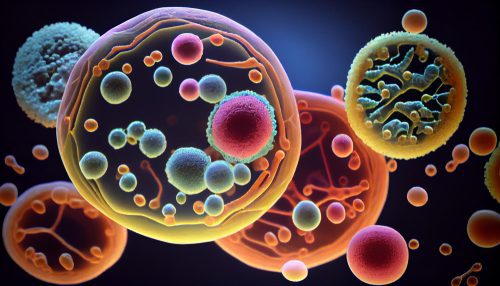
At the core of regenerative medicine are stem cells – nature's master cells. Unlike other cells in the body, which are specialized for specific functions (like muscle cells for contraction or nerve cells for transmitting signals), stem cells possess two extraordinary properties: self-renewal and differentiation. Self-renewal means they can divide and produce more stem cells indefinitely. Differentiation means they can develop into many different types of specialized cells. This unique versatility makes them invaluable tools in the quest to repair or replace diseased or damaged tissues and organs. The potential of these remarkable cells is a cornerstone of modern biotechnology, driving innovation across various medical disciplines.
Diverse Types, Diverse Potentials
Stem cells are broadly categorized based on their origin and differentiation potential. Embryonic stem cells (ESCs), derived from early-stage embryos, are pluripotent, meaning they can differentiate into any cell type in the body. Adult stem cells, found in various tissues like bone marrow, fat, and blood, are multipotent, capable of developing into a more limited range of cell types relevant to their tissue of origin. A revolutionary breakthrough came with the discovery of induced pluripotent stem cells (iPSCs), which are adult cells genetically reprogrammed to an embryonic-like pluripotent state. This innovation bypasses ethical concerns associated with ESCs and offers a patient-specific source of cells, opening new avenues for personalized cell therapy. These advancements underscore the dynamic progress in stem cell research.
Regenerative Medicine: A Paradigm Shift in Healing
Regenerative medicine is an interdisciplinary field that applies the principles of engineering and life sciences to the regeneration, repair, or replacement of damaged cells, tissues, or organs. It seeks to restore normal function using a variety of strategies, with stem cells being a primary focus. Instead of merely treating symptoms, regenerative approaches aim to address the root cause of disease by stimulating the body's own repair mechanisms or by introducing new, healthy cells and tissues. This field holds immense promise for conditions ranging from heart disease and diabetes to spinal cord injuries and neurodegenerative disorders, offering hope for cures where only management was once possible.
Applications of Cell Therapy: Transforming Patient Lives
The direct application of stem cells in patients is known as cell therapy. This involves transplanting healthy, functional cells into a patient to replace or support damaged ones. Significant progress has been made in areas such as hematopoietic stem cell transplantation for blood cancers and autoimmune diseases. Beyond this, clinical trials are exploring the use of mesenchymal stem cells for conditions like osteoarthritis, Crohn's disease, and even heart failure, leveraging their immunomodulatory and regenerative properties. The precision and potential of these therapies are continually refined through advanced biotechnology, pushing the boundaries of what is medically achievable.
The Synergy of Tissue Engineering and 3D Bioprinting
The vision of creating functional tissues and organs outside the body is becoming a reality thanks to the convergence of stem cell research with tissue engineering and 3D bioprinting. Tissue engineering combines cells, scaffolding materials, and biochemical factors to construct biological substitutes that restore, maintain, or improve tissue function. For instance, skin grafts grown in labs are already used for burn victims. Taking this a step further, 3D bioprinting allows for the precise layering of cells and biomaterials to create complex, three-dimensional structures that mimic native tissues and organs. This revolutionary technique holds the potential to print everything from cartilage and bone to miniature organs for drug testing, significantly accelerating the pace of discovery and development in regenerative medicine.
Stem Cells in Drug Discovery and Gene Therapy
Beyond direct transplantation, stem cells are proving invaluable in drug discovery. Patient-specific iPSCs can be differentiated into various cell types (e.g., neurons, cardiomyocytes) to create 'disease in a dish' models. These models allow researchers to study disease mechanisms and screen potential drug candidates more effectively and ethically, reducing reliance on animal testing. Furthermore, the integration of CRISPR (Clustered Regularly Interspaced Short Palindromic Repeats) gene-editing technology with stem cells is revolutionizing gene therapy. CRISPR allows for precise editing of genes within stem cells to correct genetic defects before transplantation, offering a powerful approach to treat inherited diseases like cystic fibrosis or sickle cell anemia at their genetic root. This synergy represents a monumental leap in personalized medicine.
Biotechnology: The Engine of Progress
Biotechnology serves as the foundational pillar supporting all advancements in stem cell research and regenerative medicine. It encompasses the vast array of tools, techniques, and processes used to manipulate living organisms and their components to develop products and solutions. From advanced cell culture techniques that allow for the expansion of billions of stem cells, to sophisticated bioreactors that facilitate controlled differentiation, biotechnology provides the essential infrastructure. Innovations in bioinformatics, genomics, and proteomics, all branches of biotechnology, are crucial for understanding the complex regulatory networks that govern stem cell behavior, paving the way for safer and more effective therapies. The future of healthcare is inextricably linked to continuous innovation in this domain.
The Future of Biomanufacturing for Cell-Based Therapies
As cell therapy moves from research labs to widespread clinical application, the need for scalable and cost-effective production of high-quality cells becomes paramount. This is where biomanufacturing comes into play. It involves the large-scale production of biological products, including therapeutic stem cells. Developing robust, automated, and standardized biomanufacturing processes is critical to ensure the availability and affordability of regenerative treatments. This field addresses challenges related to cell expansion, purification, storage, and quality control, ensuring that millions of patients can benefit from these life-changing therapies. The transition from lab-scale to industrial-scale production is a key hurdle that innovative biotechnology is actively addressing.
Challenges and Ethical Horizons
Despite the immense promise, the field of stem cell research and regenerative medicine faces significant challenges. These include ensuring the safety and efficacy of therapies, preventing tumor formation from pluripotent cells, and overcoming regulatory hurdles. Ethical considerations, particularly concerning embryonic stem cell research, continue to be debated, though the rise of iPSCs has provided alternative avenues. The cost of developing and delivering these advanced therapies also remains a barrier to widespread access. Addressing these complexities requires collaborative efforts from scientists, clinicians, policymakers, and the public, ensuring that these powerful technologies are developed responsibly and equitably for the benefit of all.
Empowering the Next Generation of Innovators
The rapid pace of discovery in stem cell research and regenerative medicine necessitates a highly skilled workforce. Understanding the intricacies of cell therapy, mastering techniques in tissue engineering and 3D bioprinting, and navigating the complexities of drug discovery and gene therapy requires specialized training. This is where initiatives like Deep Science Workshops and Deep Science Implementation play a crucial role. They provide hands-on experience, in-depth knowledge, and practical skills essential for those aspiring to contribute to this transformative field. By fostering a deep understanding of cutting-edge biotechnology and its applications, these programs empower individuals to become pioneers in the next wave of medical breakthroughs.
Conclusion: A Future Transformed by Regenerative Science
The journey into stem cell research and regenerative medicine is one of the most exciting and impactful endeavors in modern science. With continuous advancements in cell therapy, the integration of sophisticated techniques like tissue engineering and 3D bioprinting, and the power of CRISPR-based gene therapy, we are on the cusp of a medical revolution. The foundational role of biotechnology and the growing capabilities of biomanufacturing are accelerating this progress, promising a future where chronic diseases are not just managed but cured, and damaged tissues are truly regenerated. As we continue to explore stem cell research in the field of regenerative medicine, the horizon of human health expands, offering unprecedented possibilities for a healthier, more vibrant future. Join us in exploring these incredible advancements and be part of shaping the future of medicine.