
Cancer remains one of humanity's most formidable challenges, a complex disease characterized by uncontrolled cell growth and the potential to spread throughout the body. While significant strides have been made in traditional cancer therapeutics, including chemotherapy, radiation, and surgery, the persistent issues of drug resistance and recurrence highlight the need for deeper understanding and novel approaches. At the forefront of modern cancer research are two critical, often overlooked, players: the tumor microenvironment (TME) and cancer stem cells (CSCs). These entities are not mere bystanders; they are active conspirators, shaping the destiny of the tumor and dictating the efficacy of treatments. Understanding their intricate roles is paramount to unlocking the next generation of effective oncology strategies. This article delves into the profound influence of the tumor microenvironment and the elusive nature of cancer stem cells, exploring how insights from biotechnology and molecular biology are paving the way for revolutionary drug discovery and targeted interventions.
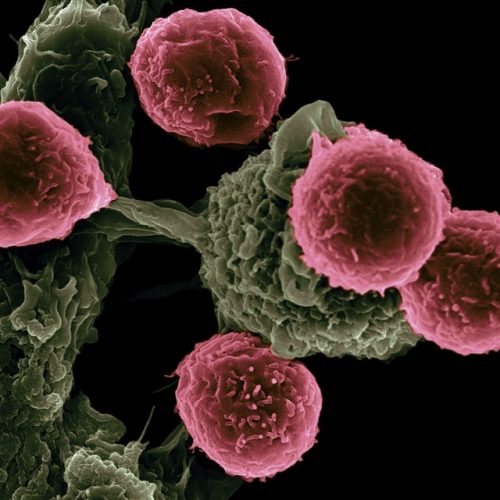
Beyond the cancer cells themselves, a tumor is a complex organ, intricately woven with a diverse array of non-malignant cells, extracellular matrix components, and signaling molecules. This elaborate ecosystem is known as the tumor microenvironment. Far from being inert, the TME actively supports tumor growth, progression, and metastasis, acting as a protective shield against therapeutic interventions. Key components of the TME include:
The intricate interplay within the tumor microenvironment creates a permissive and protective niche for cancer cells, shielding them from immune surveillance and the cytotoxic effects of conventional cancer therapeutics. Understanding this dynamic relationship is a cornerstone of modern oncology and cancer research, offering new avenues for drug discovery by targeting the TME components.
Within the heterogeneous population of tumor cells lies a rare but potent subset known as cancer stem cells (CSCs). These elusive stem cells possess properties akin to normal stem cells: self-renewal (the ability to generate more CSCs) and multipotency (the ability to differentiate into various cancer cell types that make up the bulk of the tumor). CSCs are widely believed to be the driving force behind tumor initiation, growth, metastasis, and, critically, resistance to conventional cancer therapeutics and tumor recurrence after treatment.
The characteristics that make CSCs particularly challenging targets include:
Identifying and specifically targeting these resilient stem cells is a major frontier in cancer research. Advances in biotechnology and molecular biology are enabling scientists to isolate, characterize, and develop novel strategies to eradicate CSCs, offering hope for more durable remissions and cures in oncology.
The tumor microenvironment and cancer stem cells are not independent entities; they exist in a deeply symbiotic relationship. The TME provides the ideal niche for CSCs to thrive, protecting them from therapeutic assault and promoting their stem-like properties. Conversely, CSCs actively remodel their surrounding TME, creating a more favorable environment for their survival and expansion. This vicious cycle perpetuates tumor progression and resistance.
For instance, cancer stem cells can secrete factors that recruit and educate stromal cells, turning them into cancer-associated fibroblasts that, in turn, produce growth factors and extracellular matrix components that support CSC maintenance. They can also influence immune cells, promoting an immunosuppressive environment that allows CSCs to evade detection and destruction. The hypoxic conditions often found within the TME can also induce or enrich CSC populations, further enhancing their aggressive behavior and resistance to cancer therapeutics.
Understanding this intricate crosstalk is vital for developing effective cancer therapeutics. Targeting either the TME or CSCs alone may not be sufficient, as the surviving entity can adapt and drive recurrence. Therefore, combination therapies that simultaneously disrupt both the TME and CSCs are gaining significant traction in cancer research and drug discovery efforts.
The insights gained into the tumor microenvironment and cancer stem cells are revolutionizing oncology and guiding the development of next-generation cancer therapeutics. Instead of solely focusing on killing the bulk tumor cells, which often leaves behind resistant CSCs, new strategies aim to disarm the tumor by targeting its supportive infrastructure and its regenerative core.
The convergence of biotechnology, molecular biology, and advanced drug discovery techniques is accelerating the identification of new biomarkers and therapeutic targets. For example, gene therapy approaches are being explored to deliver targeted agents directly to CSCs or to modify the TME to be less supportive of tumor growth. The future of oncology lies in precision medicine, where treatments are tailored to the unique characteristics of a patient's tumor, including its TME and CSC populations.
The journey to conquer cancer is ongoing, and the focus is increasingly shifting towards a holistic understanding of the disease. The insights into the tumor microenvironment and cancer stem cells underscore that cancer is not just a disease of rogue cells but a systemic challenge involving complex interactions within the body. Future cancer research will continue to leverage cutting-edge biotechnology to unravel these complexities, from single-cell genomics to advanced imaging techniques that visualize the TME in real-time.
Platforms like Deep Science Workshops and Deep Science Implementation are crucial in disseminating this advanced knowledge and training the next generation of scientists and clinicians. By fostering a deeper understanding of molecular biology principles applied to oncology, these initiatives empower researchers to translate groundbreaking discoveries into tangible cancer therapeutics. The goal is to move beyond temporary remission to durable cures by eradicating the very roots of the disease.
The continuous pursuit of novel biomarkers for early detection and personalized treatment, coupled with innovative drug discovery pipelines, promises a future where cancer is managed more effectively, and ultimately, overcome. This requires a concerted effort across various scientific disciplines, emphasizing the interconnectedness of cancer biology.
The intricate dance between the tumor microenvironment and cancer stem cells represents a formidable challenge in cancer therapeutics, yet it also presents a profound opportunity. By dissecting their roles through rigorous cancer research and applying the power of modern biotechnology and molecular biology, we are gaining unprecedented insights into cancer's resilience. The development of targeted therapies that disrupt the TME's supportive functions and eradicate the elusive stem cells holds the key to overcoming drug resistance and preventing recurrence.
As we continue to advance our understanding and refine our therapeutic strategies, the promise of more effective, personalized oncology treatments moves closer to reality. Embracing these complex biological interactions is not merely an academic exercise; it is a vital step towards transforming the landscape of cancer treatment and improving patient outcomes globally. Join us in exploring the cutting-edge of cancer research and its practical applications.
Join Now