
The fight against cancer is one of humanity's most pressing challenges, demanding relentless innovation and profound collaboration. In the dynamic world of biotechnology, new frontiers are constantly being explored, offering unprecedented opportunities for collaboration in cancer research. This article delves into the exciting landscape of modern cancer biology, highlighting how interdisciplinary efforts are accelerating discoveries, from fundamental molecular insights to groundbreaking therapeutic development. Join us as we explore the vital roles of advanced laboratory tools, precise diagnostic methods, and the power of shared knowledge in the quest to conquer cancer.
At the heart of every significant advancement lies collaboration. Whether you are a seasoned researcher, an aspiring scientist seeking roles in biotech, or an institution looking to foster impactful partnerships, understanding the collaborative ecosystem is crucial. We will also touch upon how initiatives like Deep Science Workshops and Deep Science Implementation are empowering the next generation of innovators and driving practical applications in this critical field.
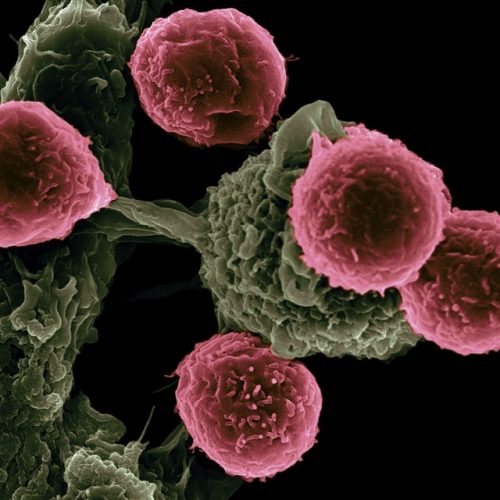
Modern cancer research has transformed dramatically over the past few decades. What was once a broad field is now a highly specialized and interconnected web of disciplines. Today, the focus is increasingly on personalized medicine, immunotherapy, and targeted therapies, all underpinned by a deeper understanding of cellular mechanisms. This evolution necessitates a collaborative spirit, bringing together experts in genetics, pharmacology, bioinformatics, and clinical oncology.
From the initial stages of understanding disease mechanisms through advanced techniques in molecular biology to the final phases of clinical trials, every step requires precision and cutting-edge tools. The development of new lab equipment, for instance, has revolutionized how we conduct experiments, enabling high-throughput screening and detailed cellular analysis. These advancements are pivotal for accelerating the pace of drug discovery and refining existing cancer therapy protocols.
The biotechnology sector offers a diverse array of biotechnology jobs, many of which are directly contributing to the fight against cancer. These roles extend far beyond the traditional laboratory setting, encompassing data analysis, clinical trial management, regulatory affairs, and even science communication. Professionals in these fields are instrumental in translating complex scientific findings into tangible patient benefits.
For those passionate about making a direct impact, roles in molecular and cell biology are foundational. These scientists often work with cell culture models to study cancer progression and evaluate the efficacy of new compounds. Furthermore, the increasing reliance on genomic data has created a high demand for experts in genetic testing, who can identify predispositions to cancer and guide personalized treatment strategies.
Collaboration isn't just about sharing data; it's about sharing expertise, resources, and vision. Universities, research institutions, pharmaceutical companies, and even startups are constantly seeking to explore opportunities for collaboration in the fight against cancer. These partnerships often lead to synergistic discoveries that would be impossible in isolation. For instance, a joint venture might combine a university's fundamental research in molecular biology with a biotech firm's capabilities in high-throughput compound screening.
To facilitate such collaborations and equip the workforce with necessary skills, specialized training programs are essential. Deep Science Workshops provide intensive, hands-on experience in critical areas like advanced cell culture techniques, next-generation sequencing, and computational biology. These workshops are designed to bridge the gap between academic knowledge and practical industry demands, preparing individuals for impactful biotechnology careers.
Securing adequate funding is a perennial challenge in scientific research. However, numerous avenues exist for obtaining research grants dedicated to cancer and biotechnology. These grants often target specific areas, such as innovative cancer treatment approaches, the development of novel laboratory instruments, or large-scale genomic studies utilizing advanced diagnostic methods. Researchers are encouraged to actively seek out these opportunities and build strong, collaborative proposals.
Beyond grants, attending biotech conferences is invaluable. These events serve as crucial platforms for networking, presenting research findings, and learning about the latest advancements. They offer a unique chance to connect with potential collaborators, industry leaders, and funding agencies. Many successful partnerships that have led to significant strides in cancer research began with conversations at such gatherings.
The journey from a promising molecule to an approved therapy is long and complex, requiring rigorous testing and validation. This is where the principles of Deep Science Implementation come into play. It emphasizes the practical application of scientific knowledge, ensuring that research findings are translated efficiently into clinical solutions. This includes optimizing experimental protocols, scaling up production of novel compounds, and navigating the intricate regulatory landscape for new drug discovery candidates.
The future of cancer research is bright, fueled by an unprecedented pace of technological innovation and a growing global commitment to eradicating the disease. We anticipate further integration of artificial intelligence and machine learning in analyzing vast datasets from genetic screening and clinical trials, leading to more precise diagnostics and personalized treatments. The continuous evolution of laboratory tools will enable even more sophisticated experiments, pushing the boundaries of what's possible in molecular and cellular biology.
As we look ahead, the emphasis on explore opportunities for collaboration in cancer research will only intensify. Interdisciplinary teams, supported by robust funding and facilitated by platforms like scientific gatherings, will be the driving force behind the next wave of breakthroughs. Whether it's developing a new cancer treatment or uncovering a novel target for therapeutic intervention, the collective effort of the scientific community remains our strongest weapon.
If you are looking to contribute to this vital field, consider enhancing your skills and network. Programs like the Molecular Basis of Cancer Therapeutics and Targets offered through Deep Science Workshops are designed to provide the specialized knowledge required to excel in this competitive yet rewarding domain. Embrace the chance to be part of the solution.
What are the key areas of focus in modern cancer research?
Modern cancer research focuses on areas such as precision medicine, immunotherapy, gene editing, advanced diagnostics, and understanding the molecular basis of cancer. This includes developing new cancer therapy approaches, improving genetic testing, and exploring novel drug discovery pathways.
How can I get involved in biotechnology jobs related to cancer research?
Getting involved in biotechnology jobs in cancer research often requires a strong background in molecular biology, cell culture techniques, and bioinformatics. Look for positions in research institutions, pharmaceutical companies, or biotech startups. Participating in specialized workshops like Deep Science Workshops can also provide valuable skills and networking opportunities.
Are there opportunities for research grants in cancer biotechnology?
Yes, numerous organizations and governmental bodies offer research grants specifically for cancer biotechnology. These grants often support innovative projects in areas like drug discovery, development of new lab equipment, and clinical trials for cancer therapy. Attending biotech conferences can also help identify funding opportunities and collaborators.
What role does cell culture play in drug discovery for cancer?
Cell culture is fundamental in drug discovery for cancer. It allows researchers to grow cancer cells in a controlled environment to test potential new drugs, understand their mechanisms of action, and evaluate their toxicity before moving to animal or human trials. It's a critical step in developing effective cancer therapy.