
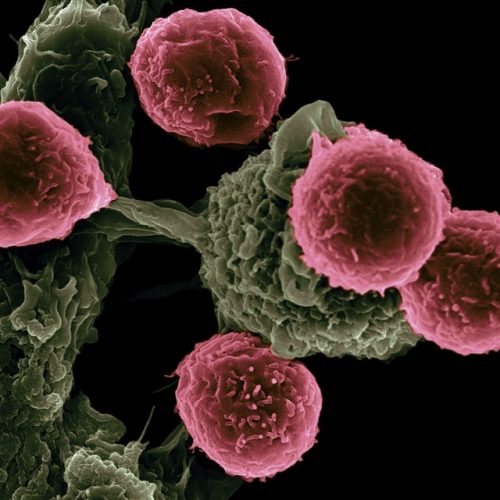
The Multifaceted World of Cancer Research
The study of cancer is far from a monolithic field; it is a dynamic, interdisciplinary arena where biology, chemistry, medicine, and engineering converge. Modern approaches delve deep into the intricacies of cellular processes, unraveling the genetic and epigenetic alterations that drive tumor formation. Areas like molecular biology are fundamental, providing the foundational understanding of how cells function and malfunction. Breakthroughs in gene therapy offer revolutionary prospects, targeting cancer at its genetic root, while relentless efforts in drug discovery continuously seek novel compounds and therapeutic agents. The rapid evolution of bioscience innovations, often driven by modern biotech, has been a game-changer, providing sophisticated tools and methodologies that enable unprecedented precision in studying cancer, from single-cell analysis to high-throughput screening. This intricate web of scientific disciplines underscores the immense resources, both intellectual and financial, required to make meaningful strides against this disease.
Why Funding Matters: Fueling Innovation
The journey from a laboratory hypothesis to a life-saving therapeutic solution is long, arduous, and incredibly expensive. This is precisely why robust financial backing is non-negotiable. It empowers scientists to acquire state-of-the-art laboratory equipment, essential for conducting cutting-edge experiments and generating reliable data. Funding supports dedicated teams, enabling them to commit fully to their investigations without the constant pressure of resource scarcity. It facilitates clinical trials, the indispensable bridge between preclinical discoveries and patient application. Moreover, secure financial support fosters collaboration, allowing researchers from different institutions and countries to pool their expertise and resources, accelerating the pace of discovery. Ultimately, the availability of substantial investment directly correlates with the speed at which new insights are gained and innovative cancer therapy options become available.
Navigating the Funding Landscape for Your Projects
For researchers aiming to make a significant impact, learning to find funding opportunities for your cancer research projects is a critical skill. The landscape is diverse, encompassing governmental grants from agencies like the National Cancer Institute, philanthropic organizations, private foundations, and even industry partnerships. Each source often has specific priorities and application processes, requiring meticulous proposal writing and a clear articulation of research goals. Beyond direct grants, institutions often provide internal funding mechanisms or support services to help researchers identify and secure external funding. Networking within the scientific community and attending specialized Deep Science Workshops can also provide invaluable insights and connections to potential funding avenues. Strategic planning and a proactive approach are key to successfully navigating this competitive environment.
From Lab to Clinic: The Impact of Advanced Research
The ultimate goal of all oncology investigations is to translate scientific discoveries into effective strategies that improve patient outcomes. This translational journey is heavily reliant on continuous innovation and robust support. Advances in molecular biology have led to the identification of specific biomarkers, enabling personalized medicine approaches in cancer treatment. The development of targeted therapies and immunotherapies, often emerging from intensive drug discovery efforts, represents a paradigm shift in how cancer is managed. The availability of advanced laboratory tools allows for more precise diagnostics and monitoring, further enhancing treatment efficacy. Every successful grant application, every dollar invested, contributes directly to this pipeline, bringing us closer to a future where cancer is not just treatable, but preventable or even curable.
Career Paths and Innovation in Biotechnology
The burgeoning field of biotechnology offers a wealth of opportunities for professionals passionate about combating cancer. From roles in academic research institutions to positions within pharmaceutical companies and biotech startups, biotech jobs are at the forefront of innovation. These careers often involve applying principles of molecular biology, engaging in drug discovery, or developing new diagnostic tools. For those looking to enhance their expertise and contribute meaningfully to the fight against cancer, specialized training is invaluable. Programs like Deep Science Workshops and initiatives focused on Deep Science Implementation provide practical skills and advanced knowledge, preparing individuals for high-impact roles in oncology and the broader biotechnology sector. These educational pathways are crucial for fostering the next generation of scientists who will drive future breakthroughs in patient care.
Deep Dive: Molecular Basis of Cancer Therapeutics and Targets
Understanding the intricate molecular mechanisms that underpin cancer is the cornerstone of developing effective cancer therapy. Our program, "Molecular Basis of Cancer Therapeutics and Targets," is designed to equip aspiring and current researchers with a profound understanding of these critical areas. Delving into the latest advancements in molecular biology and gene therapy, participants explore the specific targets within cancer cells that can be modulated for therapeutic benefit. The course covers cutting-edge strategies in drug discovery, from small molecule inhibitors to advanced biologics, and examines how these are being leveraged to create more precise and less toxic approaches to cancer care. By focusing on the fundamental science, we empower participants to contribute to groundbreaking oncology research, preparing them to identify novel therapeutic avenues and to successfully find funding opportunities for your cancer research projects that align with innovative approaches. This specialized knowledge is essential for anyone looking to make a significant impact in the field of biotechnology and accelerate the development of future cancer interventions.
Conclusion
The fight against cancer is a testament to human resilience and scientific ingenuity. While challenges remain, the continuous advancements in oncology, fueled by dedicated scientists and crucial financial backing, offer immense hope. The journey from fundamental molecular biology discoveries to transformative cancer therapy and cancer care is a collaborative effort that demands sustained investment and a commitment to lifelong learning. By actively seeking to find funding opportunities for your cancer research projects and by embracing advanced training in areas like the "Molecular Basis of Cancer Therapeutics and Targets," we can collectively accelerate the pace of discovery. Join us in this vital mission to unlock the next generation of breakthroughs and redefine the future of cancer care.