
In the relentless battle against cancer, scientific advancements continue to redefine our understanding and approach to this complex disease. Among the most transformative breakthroughs is the advent of next-generation sequencing in cancer research. This powerful technology has fundamentally reshaped the landscape of oncology, providing unprecedented insights into the genetic and molecular underpinnings of cancer. By enabling scientists to rapidly and comprehensively map the entire genetic blueprint of tumors, NGS is paving the way for highly personalized and effective cancer treatment strategies, marking a new era in precision medicine. This article delves into the profound impact of NGS, exploring its applications from basic molecular biology to advanced drug discovery and innovative gene therapy, ultimately revolutionizing how we combat cancer.
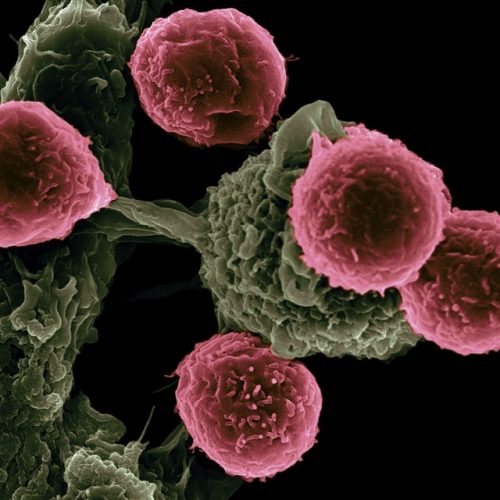
Traditional sequencing methods, while foundational, were often slow and costly, limiting their application to small-scale genetic analyses. The emergence of NGS technologies, however, dramatically changed this paradigm. NGS allows for the simultaneous sequencing of millions of DNA fragments, generating vast amounts of genetic data at an unprecedented speed and reduced cost. This high-throughput capability is crucial for cancer research, where understanding the myriad genetic alterations within a tumor is paramount. From identifying single nucleotide polymorphisms (SNPs) to detecting large chromosomal rearrangements, NGS provides a holistic view of the cancer genome, accelerating the pace of discovery in biotechnology.
One of the most immediate impacts of NGS has been in enhancing cancer diagnostics. Comprehensive genomic profiling using NGS can identify specific mutations, gene fusions, and copy number variations that drive tumor growth. This detailed genetic information is vital for accurate diagnosis and classification of cancer types, especially for rare or aggressive forms. Furthermore, NGS facilitates the discovery of novel biomarkers – molecular indicators that can predict disease progression, recurrence, or response to therapy. For instance, the detection of circulating tumor DNA (ctDNA) in liquid biopsies, made possible by the sensitivity of NGS, offers a non-invasive method for early cancer detection, monitoring treatment efficacy, and detecting minimal residual disease, thereby transforming clinical oncology practices.
The insights gleaned from next-generation sequencing in cancer research are directly translating into more effective and personalized cancer treatment strategies. By identifying the unique molecular fingerprint of each patient's tumor, clinicians can select targeted therapies that specifically inhibit the aberrant pathways driving the cancer. This move towards precision medicine minimizes side effects associated with conventional treatments and maximizes therapeutic efficacy. NGS also plays a critical role in advancing immunotherapy, a revolutionary approach that harnesses the body's own immune system to fight cancer. By analyzing tumor mutational burden and neoantigen profiles, NGS can predict patient response to immunotherapeutic agents, guiding treatment selection and improving patient outcomes.
Beyond targeted therapies and immunotherapy, NGS is a cornerstone in the development of cutting-edge gene therapy for cancer. By precisely identifying the genetic defects that can be corrected or compensated for, NGS guides the design of gene-editing tools and viral vectors used in gene therapy. This holds immense promise for treating cancers with specific genetic vulnerabilities, offering hope for patients with previously untreatable conditions. The ability to sequence individual cancer cells also provides insights into tumor heterogeneity and clonal evolution, which are critical for overcoming drug resistance and developing more robust treatment protocols.
The success of NGS in cancer research is deeply rooted in the advancements within molecular biology and biotechnology. Molecular biology provides the fundamental understanding of genes, proteins, and cellular pathways that are disrupted in cancer. NGS tools, a product of sophisticated biotechnology, allow researchers to probe these molecular intricacies at an unprecedented resolution. This synergy enables the identification of novel therapeutic targets and the development of innovative diagnostic assays. The continuous evolution of sequencing platforms, bioinformatics tools for data analysis, and sample preparation techniques are all testament to the rapid progress in biotechnology, which fuels the ongoing revolution in oncology.
The traditional process of drug discovery is often lengthy and resource-intensive. NGS significantly accelerates this process by rapidly identifying potential drug targets and understanding mechanisms of drug resistance. By comparing the genomic profiles of sensitive versus resistant tumors, researchers can pinpoint genes or pathways that mediate resistance, leading to the development of new compounds or combination therapies. Furthermore, NGS facilitates the repurposing of existing drugs by identifying patient subsets that are likely to respond based on their genetic makeup. This data-driven approach is transforming pharmaceutical research, making the development of new cancer treatment options more efficient and targeted.
The study of stem cells, particularly cancer stem cells, is another area where NGS is making significant contributions. By characterizing the unique genetic and epigenetic profiles of these elusive cells, researchers aim to develop therapies that specifically target cancer stem cells, which are often responsible for tumor initiation, metastasis, and recurrence. Understanding the molecular basis of these cells through NGS is crucial for designing effective strategies to eradicate cancer at its root.
Despite its immense potential, the widespread implementation of next-generation sequencing in cancer research faces challenges. The sheer volume of data generated requires advanced bioinformatics infrastructure and skilled personnel for analysis and interpretation. Ethical considerations regarding data privacy and incidental findings also need careful navigation. However, ongoing advancements in machine learning, artificial intelligence, and cloud computing are continuously improving data analysis capabilities, making NGS more accessible and actionable.
The future of oncology with NGS is incredibly promising. We can anticipate even more precise diagnostic tools, highly individualized therapies, and a deeper understanding of cancer biology. The integration of NGS with other omics technologies (e.g., proteomics, metabolomics) will provide an even more comprehensive view of the disease, leading to truly holistic and predictive models for cancer treatment. Continued investment in biotechnology and molecular biology research will ensure that NGS remains at the forefront of the fight against cancer.
The transformative power of next-generation sequencing in cancer research underscores the critical need for skilled professionals in this rapidly evolving field. At Deep Science Workshops, we are committed to providing hands-on training and theoretical knowledge in advanced biotechnological techniques, including those essential for understanding the molecular basis of cancer therapeutics and targets. Our programs are designed to equip aspiring scientists and researchers with the expertise required to contribute to cutting-edge cancer research, drug discovery, and the implementation of personalized medicine. Through practical sessions and expert-led instruction, participants gain invaluable experience in areas such as genomic analysis, biomarker identification, and the application of NGS data in clinical settings. We believe in fostering a new generation of innovators who can drive the next wave of discoveries in oncology and patient care.
For those eager to delve deeper into the intricate world of cancer and its molecular vulnerabilities, Deep Science Implementation offers specialized courses that bridge the gap between theoretical knowledge and practical application. Our curriculum focuses on the latest advancements in gene therapy, immunotherapy, and the role of stem cells in disease, ensuring our participants are at the forefront of scientific progress. Joining our programs means becoming part of a community dedicated to pushing the boundaries of what's possible in biotechnology and making a tangible impact on human health.
Join Now