Unlocking Cures: Your Comprehensive Guide to a Career in Cancer Research
The fight against cancer is one of humanity's most pressing challenges. Every day, dedicated scientists around the globe work tirelessly to unravel the mysteries of this complex disease, striving to develop new cancer treatment strategies and ultimately, find a cure. If you're driven by a passion for discovery and a desire to make a profound impact on human health, a career in **cancer research** might be your calling. This comprehensive guide will illuminate the path, detailing the educational journey, essential skills, career opportunities in **biotechnology jobs**, and the vital role you can play in advancing **cancer therapy**.
From understanding the intricate mechanisms of **molecular biology** that drive cancer growth to developing groundbreaking immunotherapies, the field of cancer research is dynamic and ever-evolving. Join us as we explore how you can contribute to this critical endeavor, paving the way for a healthier future.
The Call to Cure: Why Pursue Cancer Research?
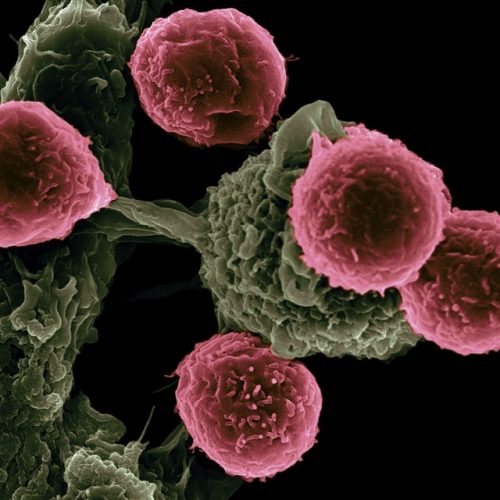
The statistics are sobering: cancer affects millions worldwide. Yet, behind these numbers lies a story of hope, fueled by relentless cancer research. Breakthroughs in **cancer therapy** have transformed once-fatal diagnoses into manageable conditions, and in some cases, curable diseases. This progress is a direct result of dedicated scientists pushing the boundaries of knowledge. As a cancer researcher, you're not just conducting experiments; you're contributing to a global effort to save lives, improve quality of life, and alleviate suffering. Your work could lead to the next major discovery in **cancer treatment**, offering new hope to patients and their families.
The field demands a deep understanding of molecular biology, genetics, pharmacology, and immunology. It's a multidisciplinary arena where collaboration is key, and every experiment, every analysis, brings us closer to understanding cancer at its most fundamental level, from the intricacies of **cancer genetics** to the development of targeted drugs.
Educational Pathway to Becoming a Cancer Researcher
Embarking on a career in **cancer research** requires a solid educational foundation. Here’s a typical academic trajectory:
Undergraduate Studies: Building the Foundation
- Bachelor's Degree: Start with a Bachelor's in a relevant scientific discipline such as Biotechnology, **Molecular Biology**, Biochemistry, Genetics, or Biomedical Sciences. Focus on courses that provide a strong understanding of cell biology, genetics, chemistry, and statistics.
- Research Experience: Seek out undergraduate research opportunities in labs focusing on cancer research. This hands-on experience is invaluable for understanding laboratory practices, working with **lab equipment**, and developing critical thinking skills.
Graduate Studies: Specialization and Deep Dive
- Master's Degree: While not always mandatory, a Master's can provide specialized knowledge and research experience, particularly if your undergraduate degree was in a broader field.
- Ph.D. in Cancer Biology or Related Field: For most independent cancer research positions in academia or industry, a Ph.D. is essential. This involves several years of intensive research, culminating in a dissertation based on original scientific contributions. Programs often focus on specific areas like **cancer genetics**, immunology, or drug development.
Postdoctoral Fellowships: Refining Expertise
- After completing a Ph.D., most aspiring cancer researchers undertake one or more postdoctoral fellowships. This period allows you to gain further specialized training, lead independent projects, publish research findings, and expand your professional network. It's a crucial step for transitioning into an independent research career.
- Consider enhancing your theoretical knowledge with specialized **online courses**, such as those offered by **Deep Science Workshops** or focusing on **Deep Science Implementation**, which can provide insights into advanced topics like the molecular basis of cancer therapeutics and targets.
Essential Skills and Knowledge for Cancer Researchers
Beyond formal education, a successful **cancer researcher** possesses a diverse skill set:
- Strong Scientific Foundation: A deep understanding of molecular biology, cell biology, biochemistry, genetics, and immunology is paramount.
- Laboratory Proficiency: Expertise in various lab equipment and techniques (e.g., cell culture, PCR, Western blotting, microscopy, flow cytometry, CRISPR).
- Data Analysis and Computational Skills: Ability to analyze complex biological data, often requiring proficiency in statistical software and bioinformatics tools.
- Critical Thinking and Problem-Solving: The capacity to design experiments, interpret results, troubleshoot issues, and formulate new hypotheses.
- Communication Skills: Excellent written and verbal communication for grant applications, scientific publications, presentations at **biotech conferences**, and collaboration.
- Resilience and Patience: Research often involves setbacks and requires persistence and dedication.
Navigating the Job Market: Biotechnology Jobs in Cancer Research
The demand for skilled cancer researchers is robust across various sectors, offering diverse **biotechnology jobs**:
- Academia: Universities and research institutions offer roles from research associates and lab managers to principal investigators and professors. These positions often combine research with teaching and mentorship.
- Pharmaceutical and Biotechnology Industry: Companies are at the forefront of developing new cancer therapy drugs and diagnostics. Roles include research scientists, drug discovery specialists, clinical development scientists, and regulatory affairs specialists. The growth in **biotechnology jobs** is particularly strong in this sector.
- Government and Non-Profit Organizations: Agencies like the National Cancer Institute (NCI) and various cancer foundations employ researchers to conduct studies, manage grants, and shape public health initiatives related to **cancer treatment**.
- Clinical Research: Opportunities exist in hospitals and clinical trial organizations, focusing on translating laboratory discoveries into patient care.
Networking at **biotech conferences** and leveraging platforms like LinkedIn are crucial for discovering these exciting biotechnology jobs and connecting with potential employers.
Funding Your Research and Career Growth
Securing **research funding** is a significant aspect of a cancer researcher's career, especially in academia. Researchers apply for grants from government bodies (e.g., NIH, NCI), private foundations, and industry partners. Success in obtaining research funding often hinges on the novelty and significance of your proposed work, your publication record, and the strength of your research team.
Continuous learning and professional development are also vital. Attending **biotech conferences** allows you to stay abreast of the latest advancements in cancer therapy, network with peers, and present your own work. Participating in specialized workshops, like those offered by **Deep Science Workshops** or focusing on **Deep Science Implementation**, can further hone your skills in cutting-edge techniques and methodologies, keeping you competitive in the dynamic landscape of **cancer research**.
The Future of Cancer Therapy and Your Role
The landscape of **cancer therapy** is undergoing a revolution. Immunotherapy, gene editing (CRISPR), personalized medicine, and liquid biopsies are just a few examples of the exciting frontiers. As a cancer researcher, you could be at the forefront of developing the next generation of treatments, understanding the nuances of **cancer genetics**, or designing innovative diagnostic tools. The journey is challenging but immensely rewarding, offering the chance to contribute to breakthroughs that will impact millions of lives globally.
To truly excel and make a significant impact, specialized knowledge is key. Consider deepening your understanding of the intricate mechanisms that drive cancer and the therapeutic strategies designed to combat them. Our comprehensive program, "Molecular Basis of Cancer Therapeutics and Targets," is specifically designed to equip aspiring and current researchers with the advanced knowledge needed to thrive in this critical field. This program delves into the latest advancements in molecular biology as it pertains to cancer, offering insights into cutting-edge cancer therapy approaches.
Join Now: Molecular Basis of Cancer Therapeutics and Targets
Frequently Asked Questions About Cancer Research Careers
What qualifications do I need to pursue a career as a cancer researcher?
To pursue a career as a cancer researcher, you typically need a strong academic background in life sciences. This often includes a Bachelor's degree in Biotechnology, Molecular Biology, Biochemistry, or a related field, followed by a Master's or Ph.D. A Ph.D. is generally required for independent research positions. Relevant experience in a laboratory setting, often gained through internships or research assistant roles, is also crucial.
What are the typical career paths in cancer research?
Career paths in cancer research are diverse. You can work in academia as a postdoctoral fellow, research associate, or professor; in pharmaceutical or biotechnology companies as a research scientist, drug discovery scientist, or clinical researcher; or in government agencies and non-profit organizations. There are many exciting **biotechnology jobs** available.
How important is research funding in this field?
**Research funding** is absolutely critical in cancer research. It supports experiments, salaries, lab equipment, and travel to **biotech conferences**. Researchers constantly seek grants from government agencies, private foundations, and philanthropic organizations to sustain their work and push the boundaries of cancer treatment.
Are there online courses available for cancer research?
Yes, many reputable institutions offer **online courses** in various aspects of cancer research, molecular biology, and biotechnology. These online courses can be excellent for foundational knowledge, skill enhancement, or exploring specific topics like cancer genetics or molecular basis of cancer therapeutics. For instance, **Deep Science Workshops** offers specialized programs.
Where can I find biotech conferences?
**Biotech conferences** are announced through various channels, including professional society websites (e.g., AACR, ASCO, ASHG), university departments, and specialized conference listing platforms. Networking with peers and mentors can also provide valuable insights into upcoming events. Attending these conferences is vital for staying updated on the latest cancer therapy advancements and networking.
Conclusion: Your Journey to Impact
A career as a **cancer researcher** is more than just a job; it's a profound commitment to improving human health. It demands intellectual rigor, perseverance, and a deep passion for scientific discovery. By following the educational pathways, developing essential skills, and actively engaging with the scientific community, you can carve out a rewarding career that directly contributes to the ongoing battle against cancer. Whether your interest lies in fundamental **molecular biology**, developing novel **cancer therapy** strategies, or understanding complex **cancer genetics**, your contributions will be invaluable in shaping the future of **cancer treatment**.
Take the first step towards a impactful career. Explore advanced learning opportunities and join the ranks of those dedicated to unlocking cures.