
Cancer remains one of humanity's most formidable health challenges. While traditional treatments have played a vital role, the true revolution in combating this complex disease lies in our deepening understanding of its fundamental processes. Thanks to remarkable advancements in molecular biology and cutting-edge biotechnology research, scientists are now able to dissect the intricate molecular mechanisms of cancer therapy, paving the way for more precise and effective interventions. This shift from broad-spectrum approaches to highly targeted strategies is transforming the landscape of modern cancer treatment.
This article delves into the scientific breakthroughs that are reshaping the fight against cancer. We will explore how insights into cellular pathways and genetic anomalies are driving innovative drug discovery, the revolutionary potential of gene therapy, and the paradigm-shifting impact of immunotherapy. Furthermore, we will examine the critical role of biomarkers in personalizing treatment and the rigorous process of clinical trials that bring these life-saving therapies from the laboratory to patients. Join us as we uncover the scientific advancements that are bringing us closer to a future where cancer is not just treated, but truly understood and ultimately, overcome.
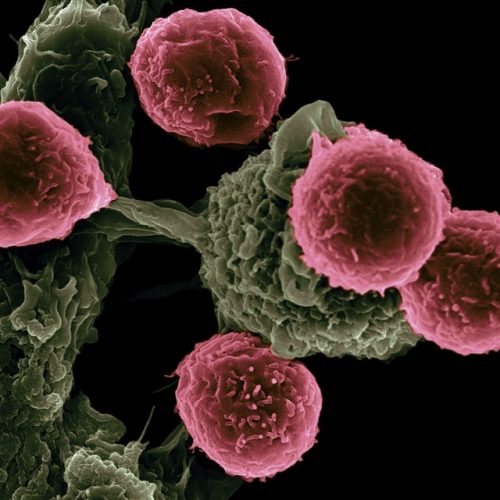
At its core, cancer is a disease rooted in genetic alterations. These mutations disrupt normal cellular functions, leading to uncontrolled cell growth, division, and the ability to invade surrounding tissues and metastasize. Modern cancer research is intensely focused on unraveling these genetic and epigenetic changes. Researchers in molecular biology labs are meticulously identifying oncogenes, tumor suppressor genes, and DNA repair mechanisms that are compromised in cancer cells. This detailed understanding of the molecular basis of cancer allows for the identification of specific vulnerabilities unique to cancerous cells, providing targets for novel therapeutic strategies. The heterogeneity of tumors, even within the same cancer type, highlights the need for therapies that can adapt to these diverse molecular profiles.
The advent of targeted therapies marks a significant departure from conventional treatments. These therapies are designed to interfere with specific molecules involved in tumor growth and progression, minimizing damage to healthy cells. This precision is a direct result of extensive biotechnology research, fundamentally reshaping oncology.
Gene therapy holds immense promise for treating cancer by directly addressing its genetic origins. This approach involves introducing, removing, or modifying genetic material within a patient's cells to combat the disease. Techniques like CRISPR-Cas9 allow for precise editing of cancer-related genes, while viral vectors can deliver therapeutic genes that make cancer cells more susceptible to drugs or enhance the immune response. While still evolving, gene therapy represents a powerful frontier in cancer treatment, offering the potential for long-term control or even eradication of certain cancers by correcting fundamental molecular defects.
Immunotherapy has revolutionized cancer treatment by harnessing the patient's own immune system to fight the disease. Checkpoint inhibitors, for example, block proteins that cancer cells use to 'hide' from immune cells, allowing the immune system to recognize and attack the tumor. Another groundbreaking approach is CAR T-cell therapy, where a patient's T-cells are engineered to specifically target and destroy cancer cells. These therapies have achieved remarkable and durable responses in various advanced cancers, demonstrating the profound potential of leveraging the body's natural defense mechanisms.
The process of drug discovery in oncology has become increasingly sophisticated, moving from broad-spectrum agents to highly specific molecules. Researchers now design drugs to precisely inhibit overactive enzymes, block growth factor receptors, or disrupt signaling pathways crucial for cancer cell survival. This targeted drug development leads to more effective treatments with fewer systemic side effects. The continuous exploration for new compounds and biological agents remains a cornerstone of cancer treatment, expanding the arsenal against diverse tumor types.
Biomarkers are essential tools in the era of precision oncology. These biological indicators, found in blood, tissue, or other bodily fluids, provide crucial information about a patient's cancer. They are used for early diagnosis, predicting disease aggressiveness, selecting the most appropriate targeted therapies, and monitoring treatment response. For instance, specific genetic mutations can indicate sensitivity to certain drugs, while changes in circulating tumor DNA can signal recurrence. The ongoing identification and validation of new biomarkers are vital for refining personalized cancer treatment strategies and improving patient outcomes.
The rapid advancements in cancer treatment are inextricably linked to robust biotechnology research. This field provides the innovative technologies and platforms necessary for understanding disease mechanisms, developing novel therapeutics, and improving diagnostic tools. From advanced sequencing techniques to sophisticated cell culture models, biotechnology is the engine driving discovery. Once promising therapies emerge from research, they must undergo rigorous clinical trials. These multi-phase studies are crucial for evaluating the safety and efficacy of new treatments in human patients, ensuring that only beneficial innovations reach the clinic. Clinical trials are the final, critical step in translating scientific breakthroughs into tangible patient benefits.
The complexity and rapid evolution of cancer research necessitate continuous learning and specialized training. For individuals aspiring to contribute to the field of oncology, a deep understanding of the molecular basis of cancer therapeutics is indispensable. This is precisely where programs like Deep Science Workshops and Deep Science Implementation become invaluable. These initiatives offer comprehensive, hands-on training that bridges theoretical knowledge with practical application in areas such as advanced molecular biology, cutting-edge biotechnology research techniques, and the latest methodologies in drug discovery and development. Participants gain insights into gene therapy, immunotherapy, and the strategic use of biomarkers, preparing them for impactful careers in modern cancer treatment.
The fight against cancer is an ongoing testament to human ingenuity and scientific perseverance. Our evolving comprehension of the molecular mechanisms of cancer therapy has opened up unprecedented avenues for treatment. From the precision of gene therapy and the power of immunotherapy to the targeted approach of drug discovery and the guiding insights of biomarkers, each advancement brings us closer to a future where cancer is not just a diagnosis, but a challenge that can be effectively managed or even overcome. The continuous dedication to molecular biology and biotechnology research, coupled with the rigorous process of clinical trials, ensures that this progress continues. By fostering specialized education and practical skills through initiatives like Deep Science Workshops, we empower the minds that will ultimately shape a healthier future, making truly personalized cancer treatment a reality for all.
Join Now