
The Enigma of Neurological Disorders: A Global Health Burden
Neurological disorders represent one of the most pressing and challenging areas in modern **healthcare**. Affecting millions worldwide, these conditions, ranging from neurodegenerative diseases like Parkinson's and Alzheimer's to acute injuries such as stroke and spinal cord trauma, impose an enormous burden on individuals, families, and health systems. The insidious progression of many of these ailments, often leading to severe functional impairment and a diminished quality of life, underscores an urgent need for more effective and restorative therapeutic strategies. Traditional treatments often focus on symptom management, with limited capacity to halt disease progression or repair damaged neural tissues. This critical unmet medical need has driven intense scientific **research** and technological **development** into novel approaches, with **regenerative medicine** emerging as a beacon of hope.
Stem Cells: The Body's Master Builders in Regenerative Medicine
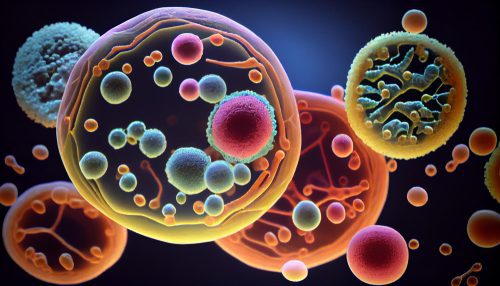
At the heart of **regenerative medicine** lies the extraordinary potential of **stem cells**. These remarkable, undifferentiated cells possess two defining characteristics: the ability to self-renew, producing more of themselves, and the capacity to differentiate, or mature, into various specialized cell types. This inherent plasticity makes these cellular components ideal candidates for repairing, replacing, or regenerating damaged tissues and organs. In the context of brain and spinal cord conditions, the goal is to harness this power to restore lost neural function. There are several types of these cells currently under intense investigation. Embryonic **stem cells** (ESCs), derived from early embryos, are pluripotent, meaning they can differentiate into any cell type in the body. While offering immense therapeutic potential, their use raises ethical considerations. Adult stem cells (ASCs), found in various tissues like bone marrow and brain, are multipotent, capable of differentiating into a more limited range of cell types relevant to their tissue of origin. A significant breakthrough in **biotechnology** was the discovery of Induced Pluripotent **Stem Cells** (iPSCs), which are adult cells reprogrammed back into an embryonic-like pluripotent state. iPSCs overcome many ethical concerns associated with ESCs and offer the exciting prospect of patient-specific **cell therapy**, reducing issues of immune rejection. This **innovation** has transformed the landscape of cellular **research** and **development** for neurological applications.
The Core Science: Mastering Stem Cell Differentiation Protocols for Neurological Disorders
The true power of **stem cells** for treating **neurological disorders** lies in our ability to guide their differentiation into specific neural cell types. This is where sophisticated **stem cell differentiation protocols** come into play. These protocols are meticulously designed laboratory procedures that involve exposing undifferentiated cells to a precise sequence of growth factors, signaling molecules, and specific culture conditions, mimicking the natural developmental cues that guide cell fate in the body. The objective is to direct pluripotent or multipotent stem cells to mature into functional neurons (dopaminergic, motor, cortical, etc.), oligodendrocytes (which produce myelin, crucial for nerve insulation), or astrocytes (support cells for neurons). For instance, in Parkinson's disease, the aim is to generate new dopamine-producing neurons to replace those lost. For spinal cord injury, protocols focus on creating neural progenitor cells that can differentiate into various cell types to bridge the lesion and promote axonal regrowth. In conditions like Multiple Sclerosis, the focus shifts to generating oligodendrocytes to remyelinate damaged nerve fibers. The success of **cell therapy** hinges on the efficiency and purity of these differentiation processes. Researchers in **biotechnology** and **science** are continually refining these differentiation methods to ensure the generated cells are not only the correct type but are also functional, stable, and safe for transplantation. This intricate dance of molecular signals and environmental cues represents the cutting edge of **regenerative medicine** and is pivotal to advancing **cell therapy** for complex brain and spinal cord conditions.
Applications in Neurological Repair and Regeneration: A Glimpse into the Future of Healthcare
The potential applications of **stem cell**-based **cell therapy** across the spectrum of **neurological disorders** are vast and continuously expanding through dedicated **research** and **development**. For Parkinson's disease, preclinical and early clinical trials are exploring the transplantation of dopamine-producing neurons derived from iPSCs or ESCs to restore motor function. In the aftermath of a stroke, these advanced cellular therapies are being investigated not only for direct replacement of lost brain cells but also for their ability to secrete neurotrophic factors that promote the survival of existing neurons, reduce inflammation, and stimulate the brain's intrinsic repair mechanisms. For devastating conditions like spinal cord injury, these cells are being used to create cellular bridges across the lesion site, promote axonal regeneration, and reduce secondary damage, offering hope for regaining motor and sensory function. In Multiple Sclerosis, a demyelinating disease, the focus is on using these cells to generate new oligodendrocytes to repair the damaged myelin sheath, thereby restoring nerve impulse transmission. Even for complex neurodegenerative diseases like Alzheimer's, these cellular approaches are being explored for their potential to provide neuroprotection, clear toxic protein aggregates, and modulate neuroinflammation. This multifaceted approach highlights the versatility of **stem cell** **technology** and its profound impact on the future of **healthcare** and **regenerative medicine**.
From Lab Bench to Bedside: Challenges and Breakthroughs in Cell Therapy Innovation
While the promise of **stem cell** **technology** in treating **neurological disorders** is immense, the journey from the laboratory bench to widespread clinical application is fraught with challenges, requiring continuous **research** and **development**. Key hurdles include ensuring the long-term survival and integration of transplanted cells, preventing immune rejection (though iPSCs offer a significant advantage here), and mitigating the risk of tumorigenicity, especially with pluripotent types. The precise delivery of cells to the affected brain or spinal cord regions also presents a complex engineering challenge. Ethical considerations, particularly concerning the use of ESCs, continue to be debated, though the rise of iPSC **technology** has provided a powerful alternative. Despite these obstacles, significant breakthroughs are being made. Advances in gene editing technologies, such as CRISPR, are enabling scientists to enhance the safety and efficacy of these cells by correcting genetic defects or engineering them to secrete therapeutic molecules. The **development** of sophisticated biomaterials and scaffolds is improving cell delivery and survival. Furthermore, rigorous preclinical models and carefully designed clinical trials are providing crucial data, paving the way for regulatory approval. This ongoing **innovation** in **biotechnology** is essential to translate promising **science** into tangible **healthcare** solutions, moving **cell therapy** closer to becoming a standard treatment option.
The Future of Regenerative Healthcare: Precision, Personalization, and Global Impact
The trajectory of **regenerative medicine** points towards a future characterized by precision and personalization. As our understanding of **stem cell differentiation protocols** deepens, and as **technology** advances, we anticipate the **development** of highly tailored **cell therapy** approaches for individual patients, taking into account their unique genetic makeup and disease presentation. This personalized **healthcare** will leverage the power of iPSCs, creating 'disease in a dish' models for drug screening and then generating patient-specific therapeutic cells. Combination therapies, integrating these advanced cellular approaches with gene therapy or pharmacological interventions, are also on the horizon, promising synergistic effects. The global impact of successful treatments for **neurological disorders** would be transformative, reducing the immense personal suffering and economic burden associated with these conditions. It represents a paradigm shift from managing symptoms to truly restoring function and health. To realize this ambitious vision, a new generation of skilled professionals is needed—individuals proficient in the **science** of cellular biology, the **technology** of their manipulation, and the ethical considerations of **regenerative medicine**. Continuous **research** and **development** are paramount to pushing the boundaries of what is possible, ensuring that the promise of **innovation** in this field translates into improved lives worldwide.
Empowering the Next Generation: Deep Science Workshops and Deep Science Implementation
The complex and rapidly evolving field of **stem cell** **technology** and **regenerative medicine** demands specialized knowledge and practical skills. Recognizing this critical need, **Deep Science Workshops** and **Deep Science Implementation** are at the forefront of educating and empowering the next generation of scientists, researchers, and clinicians. Our comprehensive programs are meticulously designed to provide in-depth theoretical understanding coupled with hands-on practical experience in areas vital to this cutting-edge domain. Participants gain expertise in advanced laboratory techniques, including the intricacies of **stem cell differentiation protocols** for various applications, particularly those relevant to **neurological disorders**. We delve into the latest advancements in **cell therapy**, covering everything from iPSC generation and gene editing to preclinical testing and regulatory pathways. By bridging the gap between academic theory and practical application, **Deep Science Workshops** ensures that our participants are well-equipped to contribute meaningfully to **research** and **development** in **biotechnology** and **healthcare**. Whether you are looking to embark on a career in **regenerative medicine**, enhance your existing scientific acumen, or simply explore the profound **innovation** happening in this field, our programs offer an unparalleled learning experience. Join us to be part of the future of **science** and **technology** that is redefining **healthcare** possibilities. Through our commitment to excellence and practical **Deep Science Implementation**, we are fostering the talent that will drive the next wave of discoveries in **stem cell** **technology** and bring life-changing treatments to patients globally.