
Unlocking the Future: Exploring Stem Cell Technology Applications in Personalized Medicine
The landscape of healthcare is undergoing a profound transformation, driven by groundbreaking advancements in biotechnology. At the forefront of this revolution is stem cell technology, a field brimming with the promise of unprecedented therapeutic possibilities. This article delves into how these remarkable cells are actively shaping the future of personalized medicine, offering tailored treatments that address individual patient needs with remarkable precision. From repairing damaged tissues to combating chronic diseases, the potential of cell-based therapies is vast and continually expanding, promising a new era of health and healing.
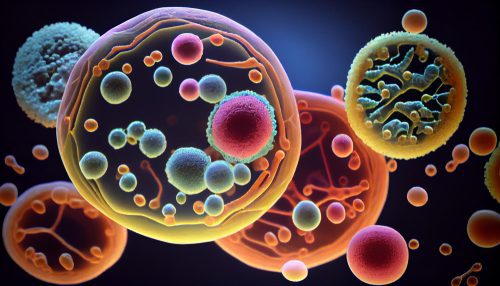
The Dawn of Regenerative Medicine: A Paradigm Shift
For decades, traditional medicine has focused on managing symptoms and treating diseases with broad-spectrum approaches. However, the advent of regenerative medicine, powered by innovative cell-based approaches, marks a significant paradigm shift. This new frontier aims not just to treat, but to restore normal function to diseased or damaged tissues and organs. Imagine a future where organ transplantation becomes less about finding a match and more about growing replacement tissues from a patient's own cells. This is the promise of advanced cellular treatments, a field that is rapidly moving from theoretical concepts to tangible clinical applications. Through extensive scientific investigation and rigorous progress, scientists are uncovering the incredible plasticity and self-renewal capabilities of these cells, paving the way for cures that were once considered impossible. This commitment to advancing restorative treatments is reshaping medical possibilities.
Understanding Stem Cells: The Body's Master Builders
What exactly are stem cells? At their core, they are the body's raw materials—cells from which all other cells with specialized functions are generated. Under the right conditions, in the body or a laboratory, these cells divide to form more cells called daughter cells. These daughter cells either become new stem cells (self-renewal) or become specialized cells (differentiation) with a more specific function, such as blood cells, brain cells, heart muscle cells, or bone cells. This unique ability to differentiate into various cell types makes them invaluable for restorative approaches and individualized treatments. The ongoing scientific research into their mechanisms of action and differentiation pathways is crucial for unlocking their full therapeutic potential. Understanding these fundamental aspects is key to advancing their applications within modern biological science.
Applications of Stem Cell Technology in Personalized Medicine
The true power of stem cell technology lies in its potential for personalized medicine. Unlike 'one-size-fits-all' treatments, personalized medicine tailors medical decisions, practices, and products to the individual patient. These cells enable this by offering patient-specific therapies, reducing the risk of immune rejection and increasing treatment efficacy. Here are some key applications:
- Disease Modeling and Drug Discovery: These powerful cells can be used to create patient-specific disease models in vitro, allowing scientists to study disease progression and test new drugs more effectively and safely. This accelerates the drug discovery process and leads to more targeted therapies.
- Regenerative Therapies: From repairing spinal cord injuries and treating heart disease to regenerating pancreatic cells for diabetes, therapies utilizing these cells are being explored for a vast array of conditions. This includes the repair of damaged cartilage, bone, and muscle, offering new hope for patients with chronic degenerative diseases.
- Cancer Treatment: While complex, these cells are being investigated for their role in cancer therapies, particularly in understanding cancer stem cells and developing targeted treatments that eradicate these resistant cells. This area requires significant ongoing scientific development.
- Autoimmune Diseases: Scientific inquiry is underway to harness these cells' immunomodulatory properties to treat autoimmune conditions like multiple sclerosis and Crohn's disease, offering a potential cure rather than just symptom management.
- Gene Therapy Integration: These cells can serve as vehicles for delivering gene therapies, correcting genetic defects in a patient's own cells, a truly transformative approach in personalized healthcare.
These applications highlight the immense scope of modern biotechnology in redefining healthcare. The continuous progress in this field is bringing us closer to a future where chronic and debilitating diseases can be effectively treated, or even cured, through advanced cellular approaches.
The Journey from Lab to Clinic: Clinical Trials and Ethical Considerations
The journey of stem cell technology from basic scientific inquiry to widespread clinical application is rigorous, involving extensive preclinical studies and multi-phase clinical trials. These trials are crucial for establishing the safety and efficacy of new therapeutic protocols. While the scientific promise is immense, the field also navigates complex ethical considerations, particularly concerning embryonic cells. However, advancements in induced pluripotent cells (iPSCs) have provided a viable alternative, allowing the creation of patient-specific pluripotent cells without ethical concerns tied to embryos. Regulatory bodies worldwide are working to establish clear guidelines to ensure responsible and safe progress and implementation of these therapies. This commitment to ethical practice ensures that the benefits of regenerative medicine can be realized responsibly within the framework of modern biological science.
Deep Science Workshops: Pioneering the Future of Biotechnology
To truly advance the field of biotechnology and regenerative medicine, continuous education and hands-on experience are paramount. This is where initiatives like Deep Science Workshops and Deep Science Implementation play a crucial role. These programs are designed to equip the next generation of scientists and clinicians with the knowledge and practical skills necessary to contribute to this rapidly evolving domain. By fostering a deep understanding of cellular technologies, from fundamental research techniques to advanced therapeutic applications, these workshops bridge the gap between academic knowledge and real-world innovation. Participants gain insights into the latest breakthroughs in drug discovery, personalized treatment strategies, and the intricacies of conducting successful clinical studies. Investing in such specialized training is vital for accelerating the pace of scientific discovery and translating laboratory findings into life-changing treatments. These workshops are a testament to the commitment to fostering excellence in the field's advancement.
The Future is Now: A Glimpse into Tomorrow's Healthcare
The trajectory of stem cell technology points towards a future where many currently incurable diseases might find effective treatments. Imagine a world where neurodegenerative diseases like Parkinson's and Alzheimer's can be halted or reversed, where heart attack damage is fully repaired, or where diabetes is cured by regenerating insulin-producing cells. This is the vision that regenerative medicine and personalized medicine, driven by cutting-edge biological science, are striving to achieve. The ongoing research, coupled with the increasing success rates in clinical studies, paints a hopeful picture. As our understanding of these powerful cells deepens and our ability to manipulate them precisely improves, the boundaries of what's possible in healthcare will continue to expand. The collaborative efforts in scientific development across academia and industry are crucial for this progress in cellular therapies.
Frequently Asked Questions about Stem Cell Technology
What is personalized medicine in the context of stem cells?
Personalized medicine, when combined with stem cells, refers to tailoring medical treatments to an individual patient's unique genetic makeup and disease characteristics. These cells allow for the development of patient-specific therapies, reducing immune rejection and increasing efficacy, making treatments highly targeted and effective for conditions requiring regenerative medicine.
How do stem cells contribute to drug discovery?
Stem cells are invaluable in drug discovery by enabling the creation of human disease models in a lab setting. Scientists can generate specific cell types affected by a disease from patient-derived cells, allowing for more accurate testing of new drugs and understanding disease mechanisms, accelerating the research and progress of new therapies.
What are the ethical considerations surrounding stem cell research?
Ethical considerations primarily revolve around the use of embryonic stem cells. However, advancements in induced pluripotent cells (iPSCs) have largely mitigated these concerns by allowing the creation of pluripotent cells from adult cells. The focus of research and development is now on responsible and ethical use of all types of cells in clinical trials and therapies.
What role do Deep Science Workshops play in this field?
Deep Science Workshops and Deep Science Implementation are crucial for training the next generation of scientists and professionals in biotechnology and stem cell technology. They provide practical skills and in-depth knowledge, bridging the gap between academic research and real-world applications in regenerative medicine and personalized medicine, fostering innovation and accelerating development in the field.