
The landscape of modern medicine is being reshaped by groundbreaking advancements in stem cells and regenerative medicine. These revolutionary fields promise to transform how we treat diseases, repair damaged tissues, and ultimately extend healthy human lifespans. From pioneering cell therapy applications to sophisticated tissue engineering and the precision of gene editing, the potential is vast and the market is booming. This article dives deep into the dynamic world of biotechnology, exploring the latest trends, market insights, and the profound impact of these innovations on healthcare and beyond.
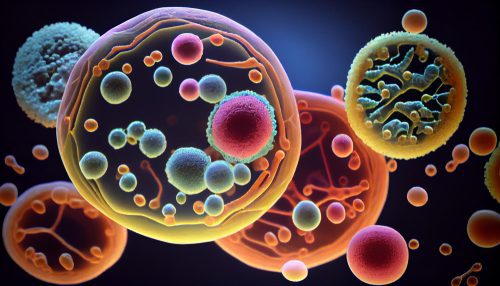
The world of medicine is on the cusp of a profound transformation, driven by relentless innovation in biotechnology and the burgeoning fields of stem cells and regenerative medicine. These disciplines are not merely advancing; they are fundamentally reshaping our approach to health, disease, and longevity. No longer are we limited to managing symptoms; instead, we are unlocking the body's innate capacity for self-repair and regeneration, paving the way for curative therapies that were once the realm of science fiction. To truly grasp the magnitude of this shift, it's essential to get market insights on stem cell-based technologies and understand the intricate interplay of scientific breakthroughs and commercial viability.
At the heart of this revolution are stem cells, the body's extraordinary master cells. Unlike other cells, these unique cells possess the remarkable ability to self-renew and differentiate into various specialized cell types, from muscle cells to neurons. This unique plasticity makes them invaluable tools in regenerative medicine, offering unprecedented potential to replace damaged tissues, repair organs, and treat a wide array of debilitating diseases. Researchers are continuously uncovering new sources and methods for manipulating these powerful cells, expanding their therapeutic applications.
One of the most direct applications of stem cell research is cell therapy. This involves introducing new, healthy cells into a patient's body to replace diseased or dysfunctional ones. Significant progress has been made in treating blood disorders, certain cancers, and autoimmune conditions. For instance, hematopoietic stem cell transplantation has been a cornerstone of cancer treatment for decades. More recently, the advent of CAR T-cell therapy, a sophisticated form of immunotherapy, demonstrates the power of genetically engineered cells to target and destroy cancer cells, marking a monumental leap in personalized medicine. The market for cellular therapies is experiencing exponential growth, fueled by successful clinical trials and increasing regulatory approvals.
The advancements in biotechnology are the bedrock upon which regenerative medicine thrives. Modern bioengineering provides the sophisticated tools necessary to isolate, culture, expand, and genetically modify cells. From advanced bioreactor systems that enable large-scale production of therapeutic cells to sophisticated genetic sequencing techniques, biotechnology continually pushes the boundaries of what's possible. Understanding the stem cell-based technologies market insights reveals a robust ecosystem of research institutions, pharmaceutical companies, and startups all contributing to this dynamic sector. This market is characterized by significant investment in R&D, strategic partnerships, and a global race to bring innovative therapies to patients.
A critical component of regenerative medicine is tissue engineering. This interdisciplinary field combines principles of engineering and biology to create functional tissues and organs. By using biocompatible scaffolds, growth factors, and specialized cells, scientists are constructing everything from artificial skin and cartilage to more complex structures like heart valves and even rudimentary organs. The goal is to develop replacements that can integrate seamlessly with the patient's body, restoring function and improving quality of life. The progress in tissue construction is directly linked to innovations in biomaterials science and cell biology.
Further propelling tissue engineering forward is 3D bioprinting. This cutting-edge technology allows for the precise, layer-by-layer deposition of living cells and biomaterials to create complex, three-dimensional biological structures. Imagine printing a functional liver tissue for drug testing, or even a replacement organ for transplantation. While still in its early stages for complex organs, 3D bioprinting is already transforming research, enabling the creation of more accurate disease models and accelerating the drug discovery process. The ability to mimic in vivo conditions more closely reduces reliance on animal testing and speeds up the identification of promising therapeutic compounds.
The revolution in gene editing, particularly with technologies like CRISPR, has added an entirely new dimension to stem cell research and regenerative medicine. CRISPR allows scientists to make precise, targeted changes to DNA, effectively correcting genetic mutations that cause diseases. When combined with stem cells, gene editing holds the promise of curing genetic disorders at their source. For example, researchers are exploring using CRISPR-edited hematopoietic stem cells to treat conditions like sickle cell anemia and beta-thalassemia, offering a potentially permanent cure. The ethical considerations surrounding genetic modification are significant, but its therapeutic potential is undeniable.
Beyond direct tissue repair, stem cells are also playing a crucial role in drug discovery and advanced immunotherapy. In drug discovery, patient-specific induced pluripotent stem cells (iPSCs) can be differentiated into various cell types (e.g., neurons for neurological diseases, cardiomyocytes for heart conditions) to create 'disease in a dish' models. These models allow for high-throughput screening of potential drug candidates, identifying effective compounds and understanding their mechanisms of action much more efficiently. In immunotherapy, stem cells are being explored for their immunomodulatory properties, capable of dampening excessive immune responses in autoimmune diseases or enhancing anti-tumor immunity. This synergy between cellular approaches and immune therapies represents a powerful new frontier in treating complex diseases.
Despite the immense promise, the field faces significant challenges. Regulatory pathways for novel cellular products are complex and constantly evolving. The high cost of developing and delivering these advanced therapies poses a barrier to widespread access. Scalability of manufacturing, ensuring consistent quality, and long-term safety data are also critical considerations. However, the rapid pace of innovation, coupled with increasing investment and collaborative efforts, suggests that these hurdles are being systematically addressed.
The future of medicine is undoubtedly intertwined with the continued progress in stem cell-based technologies and regenerative medicine. As we gain deeper market insights on stem cell-based technologies, it becomes clear that this is not just a scientific endeavor but a burgeoning industry with profound economic and societal implications. From extending healthy lifespans to curing previously incurable diseases, the impact will be transformative.
To truly harness the power of these innovations, continuous learning and practical implementation are crucial. Deep Science Workshops and Deep Science Implementation programs are designed to equip aspiring scientists and professionals with the cutting-edge knowledge and skills required to navigate and contribute to this rapidly evolving field. These programs offer unique opportunities to delve into the latest advancements in stem cells, regenerative medicine, cell therapy, biotechnology, tissue engineering, 3D bioprinting, CRISPR, gene editing, drug discovery, and immunotherapy. By participating, you can position yourself at the forefront of medical innovation, ready to make a significant impact.
Ready to delve deeper into the fascinating world of stem cell technologies and regenerative medicine? Enhance your expertise with our specialized programs.
Join Now