
Unlocking the Future: Investment Opportunities and Trends in Stem Cell Therapies
The field of biotechnology is constantly evolving, pushing the boundaries of what's possible in healthcare. Among its most promising frontiers lies regenerative medicine, particularly the revolutionary potential of stem cells. These remarkable cells hold the key to repairing, replacing, or regenerating damaged tissues and organs, offering hope for countless debilitating diseases. As the scientific understanding of stem cell research deepens, so too do the investment opportunities and trends in stem cell therapies. This article delves into the dynamic landscape of this cutting-edge domain, exploring where the smart money is flowing and what innovations are poised to reshape the future of medical treatment. For those looking to understand the intricacies of this field, Deep Science Workshops provide invaluable insights, complemented by Deep Science Implementation for practical application.
Understanding Stem Cells and Regenerative Medicine
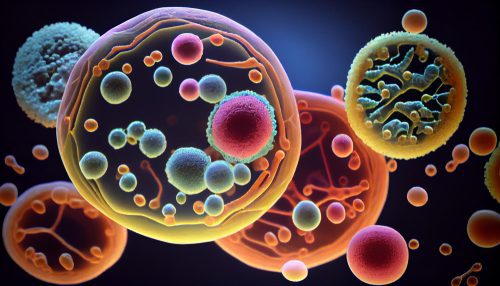
At their core, stem cells are the body's raw materials—cells from which all other cells with specialized functions are generated. Under the right conditions, in the body or a laboratory, stem cells divide to form more cells called daughter cells. These daughter cells either become new stem cells (self-renewal) or become specialized cells (differentiation) with a more specific function, such as blood cells, brain cells, heart muscle cells, or bone cells. This unique ability makes them central to regenerative medicine, a branch of medical technology focused on developing therapies that restore normal function to diseased or injured tissues. From tissue engineering to combating neurodegenerative diseases, the applications are vast. The promise of cell therapy lies in harnessing these inherent repair mechanisms to treat conditions previously deemed incurable, driving significant research efforts globally.
Key Investment Opportunities in Stem Cell Therapies
The burgeoning market for stem cell therapies presents diverse investment opportunities. Investors are keenly observing several key areas:
Early-Stage Research & Development
Significant capital is being poured into fundamental stem cell research and the discovery of novel therapeutic applications. This includes exploring new sources of stem cells, optimizing differentiation protocols, and understanding disease mechanisms at a cellular level. Companies pioneering unique approaches in drug discovery using stem cell models are particularly attractive.
Clinical Trials & Commercialization
As therapies move from preclinical stages to human trials, the financial commitment escalates, but so does the potential for return. Successful Phase 2 and Phase 3 trials often lead to substantial valuation jumps. Investing in companies with robust clinical pipelines targeting high-unmet-need areas, such as spinal cord injuries, heart failure, or diabetes, is a strategic move. The path to commercialization, including regulatory approvals and market access, is a critical factor for investors in cell therapy.
Manufacturing & Bioprocessing
The scalability of cell therapy production is a major challenge and, consequently, a significant investment opportunity. Companies developing advanced manufacturing techniques, automated bioreactors, and quality control systems for cell-based products are essential enablers of the industry's growth. Ensuring consistent, high-quality, and cost-effective production is paramount for widespread adoption of regenerative medicine solutions.
Enabling Technologies
Beyond the cells themselves, the ecosystem supporting stem cell therapies is ripe for investment. This includes advancements in gene therapy tools like CRISPR for precise genetic modification of cells, biomaterials for scaffolding in tissue engineering, advanced imaging techniques, and sophisticated bioinformatics platforms for analyzing complex cellular data. These foundational technologies accelerate the pace of research and improve therapeutic outcomes in medical technology.
Emerging Trends Shaping the Landscape
Several compelling trends are defining the trajectory of stem cell therapies and regenerative medicine:
Personalized Medicine & Autologous Therapies
The shift towards therapies tailored to individual patients, often using their own stem cells (autologous), is a powerful trend. This minimizes immune rejection and maximizes efficacy, though it presents manufacturing complexities. The promise of truly personalized cell therapy is a major driver of research and investment in biotechnology.
Induced Pluripotent Stem Cells (iPSCs)
iPSCs, reprogrammed adult cells that behave like embryonic stem cells, are revolutionizing drug discovery and disease modeling. Their ethical advantages and patient-specific nature make them incredibly versatile. Companies leveraging iPSCs for developing off-the-shelf allogeneic therapies or for creating disease-in-a-dish models are at the forefront of innovation in stem cell research.
Gene Therapy Integration
The synergy between gene therapy and stem cells is profound. By genetically modifying stem cells to express therapeutic proteins or resist disease, researchers are creating powerful new treatment modalities. This convergence is particularly exciting for genetic disorders and certain cancers, opening new avenues for medical technology advancements in regenerative medicine.
AI and Big Data in Drug Discovery
Artificial intelligence and machine learning are increasingly being applied to analyze vast datasets from stem cell research, accelerating drug discovery, predicting therapeutic outcomes, and optimizing clinical trial design. This data-driven approach enhances the efficiency and success rates of developing new stem cell therapies.
Exosomes and Cell-Free Therapies
Beyond whole cells, the therapeutic potential of exosomes—tiny vesicles released by cells—is gaining traction. These "messages in a bottle" carry genetic material and proteins that can modulate cellular behavior, offering a cell-free approach to regenerative medicine with potentially fewer logistical challenges.
Challenges and Regulatory Landscape
Despite the immense promise, the stem cell field faces hurdles. Regulatory pathways are complex and vary globally, requiring significant investment in clinical validation and safety. Ethical considerations surrounding certain types of stem cells also influence public perception and research directions. Furthermore, the high cost of developing and delivering advanced cell therapy remains a barrier to widespread access. Navigating these challenges effectively is crucial for sustained growth and attracting further investment opportunities.
The Role of Deep Science Workshops and Deep Science Implementation
Understanding the complexities of stem cells and regenerative medicine requires specialized knowledge. Deep Science Workshops are designed to bridge this gap, offering comprehensive programs that delve into the latest advancements, practical techniques, and ethical considerations in stem cell research. Through immersive learning experiences, participants gain the expertise needed to contribute to or invest wisely in this dynamic sector. Deep Science Implementation ensures that theoretical knowledge translates into practical, real-world application, fostering true innovation.
Future Outlook: A Transformative Horizon
The future of stem cell therapies is bright, promising a paradigm shift in how we approach chronic diseases and injuries. With continuous breakthroughs in biotechnology, medical technology, and gene therapy, the scope of treatable conditions will expand significantly. As research progresses and regulatory frameworks mature, the investment opportunities in this sector are expected to grow exponentially, leading to a healthier, more regenerative future.
Conclusion
The journey into stem cell therapies and regenerative medicine is an exciting one, brimming with scientific breakthroughs and profound investment opportunities. By staying informed about the latest trends and understanding the foundational research, investors and enthusiasts can play a pivotal role in shaping the next era of healthcare.
Frequently Asked Questions (FAQs)
What are the primary investment areas in stem cell therapies?
Primary investment areas include research and development of new therapies, clinical trials, manufacturing and scaling of cell-based products, and the development of supporting technologies like gene editing and biomaterials. Companies focusing on specific disease indications, such as neurological disorders, cardiovascular diseases, and autoimmune conditions, often present significant investment opportunities.
What are the key trends driving growth in regenerative medicine?
Key trends include advancements in gene editing technologies (e.g., CRISPR), increased adoption of personalized medicine, the rise of induced pluripotent stem cells (iPSCs), improved manufacturing processes, and a growing number of successful clinical trials. Strategic partnerships between pharmaceutical companies and biotech startups are also accelerating innovation and market penetration in regenerative medicine.
How can Deep Science Workshops help in understanding stem cell technology?
Deep Science Workshops provide comprehensive training and insights into cutting-edge stem cell technologies and regenerative medicine. Through practical sessions and expert-led discussions, participants gain a deeper understanding of the scientific principles, therapeutic applications, and market dynamics, preparing them for careers or investments in this rapidly evolving field. Deep Science Implementation ensures practical application of this knowledge.