
The field of regenerative medicine stands at the forefront of medical innovation, promising groundbreaking treatments for a myriad of diseases and injuries that were once considered incurable. At its heart lies stem cell therapy, a revolutionary approach harnessing the body's natural healing capabilities. As scientists and researchers delve deeper into the potential of stem cells, the excitement is palpable. However, for these life-changing therapies to transition from the laboratory to widespread clinical adoption, critical hurdles related to their cost-effectiveness and reimbursement must be addressed. This article explores the intricate economic landscape surrounding cell therapy, providing insights for academic professionals and practitioners in biotechnology and medical research.
The promise of stem cell therapy is immense, offering hope for conditions ranging from neurodegenerative diseases and cardiovascular ailments to orthopedic injuries and autoimmune disorders. Yet, the journey from pioneering research to accessible treatment involves navigating complex financial and regulatory pathways. Understanding the factors that contribute to the high costs, the challenges in securing insurance coverage, and the strategies for improving affordability is paramount for the future of this transformative domain. Through the lens of Deep Science Workshops and Deep Science Implementation, we aim to illuminate the path forward, fostering an environment where innovation meets accessibility.
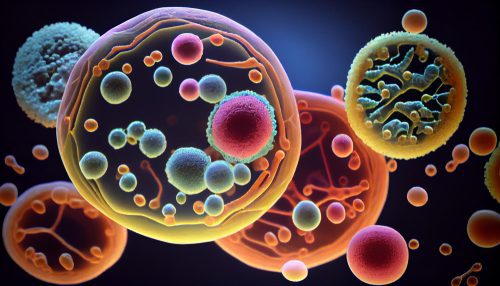
Stem cells are unique in their ability to self-renew and differentiate into various specialized cell types, making them invaluable tools in regenerative medicine. This inherent plasticity allows them to repair, replace, or regenerate damaged tissues and organs. From hematopoietic stem cell therapy for blood disorders to mesenchymal stem cells for musculoskeletal conditions, the therapeutic applications are continuously expanding. Global medical research is heavily invested in exploring new avenues, with numerous clinical trials underway to validate the safety and efficacy of these treatments across a broad spectrum of diseases. The advancements in biotechnology have enabled sophisticated methods for isolating, culturing, and manipulating stem cells, pushing the boundaries of what's possible in healthcare.
The high initial cost of stem cell therapies is a significant barrier to their widespread adoption. Several factors contribute to this expense. Firstly, the intensive research and development (R&D) phase, which includes preclinical studies and rigorous clinical trials, requires substantial investment. Developing novel cell therapy protocols, ensuring cell purity and potency, and scaling up production are complex processes. Secondly, the manufacturing of therapeutic-grade stem cells is often highly specialized, involving stringent quality control, sterile environments, and advanced biotechnological techniques. This makes large-scale production both challenging and costly. Finally, the personalized nature of some stem cell therapies, where cells are harvested from the patient, processed, and then re-administered, adds to the complexity and cost. For scientists and academic institutions, balancing innovation with economic viability is a constant challenge.
Even when a stem cell therapy proves clinically effective, securing reimbursement from insurance providers remains a formidable hurdle. Many therapies are still considered experimental or investigational, making it difficult for patients to obtain coverage. The lack of long-term data on efficacy and cost-effectiveness, coupled with evolving regulatory frameworks, contributes to this uncertainty. Healthcare systems globally are grappling with how to integrate these high-cost, high-impact treatments into existing reimbursement models. For biotechnology companies and healthcare providers, demonstrating the long-term value and potential for reduced healthcare expenditures (e.g., fewer hospitalizations, reduced need for chronic medication) is crucial for securing favorable reimbursement policies. Initiatives focused on robust economic evaluations are essential to showcase the true cost-effectiveness and reimbursement of stem cell therapies.
To make stem cell therapies more accessible, a multi-pronged approach is required. One key strategy involves standardizing manufacturing processes and scaling up production to reduce per-dose costs. Advances in automation and bioprocessing within biotechnology are vital here. Furthermore, focusing research on identifying specific patient populations who will benefit most from these therapies can optimize resource allocation. Collaborative efforts between scientists, industry, and regulatory bodies are also crucial to streamline approval processes and establish clear guidelines for efficacy and safety. Deep Science Workshops and Deep Science Implementation are actively engaged in fostering such collaborations, bringing together leading academic minds and industry experts to address these challenges head-on. By promoting interdisciplinary dialogue and practical application of knowledge, we can accelerate the translation of promising medical research into affordable treatments.
Rigorous and well-designed clinical trials are the cornerstone for establishing the efficacy and safety of stem cell therapies, which in turn influences regulatory approvals and reimbursement decisions. As more positive data emerges from these trials, the evidence base for coverage expands. Policy makers and healthcare payers need to work in tandem to develop innovative reimbursement models, such as outcomes-based agreements or risk-sharing arrangements, that align the financial incentives with patient benefits. Advocacy from patient groups and professional organizations is also critical in highlighting the unmet medical needs that stem cell therapy can address, thereby influencing public perception and policy changes. The ongoing dialogue among scientists, clinicians, and economists is shaping the future of cell therapy accessibility.
At Deep Science Workshops and Deep Science Implementation, we are committed to advancing the field of regenerative medicine and making stem cell therapies more widely available. Our programs are designed to equip aspiring scientists and researchers with the cutting-edge knowledge and practical skills necessary to innovate in biotechnology. We believe that by fostering a new generation of experts, we can accelerate breakthroughs in understanding the cost-effectiveness and reimbursement of stem cell therapies. Our focus extends beyond theoretical learning, emphasizing the practical application of scientific principles to real-world challenges in medical research and clinical trials. Through our initiatives, we aim to bridge the gap between groundbreaking discovery and accessible patient care, ensuring that the promise of stem cell therapy becomes a reality for more individuals.
The trajectory for stem cell therapies is one of continuous evolution. As research progresses, we anticipate more standardized and cost-efficient manufacturing methods, potentially leading to a reduction in treatment costs. Furthermore, as more clinical trials yield positive results and therapies gain full regulatory approval, the landscape for reimbursement is expected to become more favorable. The integration of artificial intelligence and machine learning in identifying optimal treatment protocols and patient responses will also contribute to greater efficiency and potentially lower overall healthcare costs. The collaborative spirit among scientists, academic institutions, and industry stakeholders, exemplified by efforts like Deep Science Workshops, will be instrumental in overcoming the remaining challenges and ensuring that the transformative power of regenerative medicine is harnessed for the benefit of all.
The journey towards making stem cell therapies universally accessible and affordable is complex, but the dedication of researchers, the advancements in biotechnology, and strategic policy changes are steadily moving us closer to this goal. Understanding the nuances of cost-effectiveness and reimbursement of stem cell therapies is not just an economic exercise but a critical step towards realizing the full potential of regenerative medicine. Join us at Deep Science Workshops to be part of this exciting future.
Join Now