
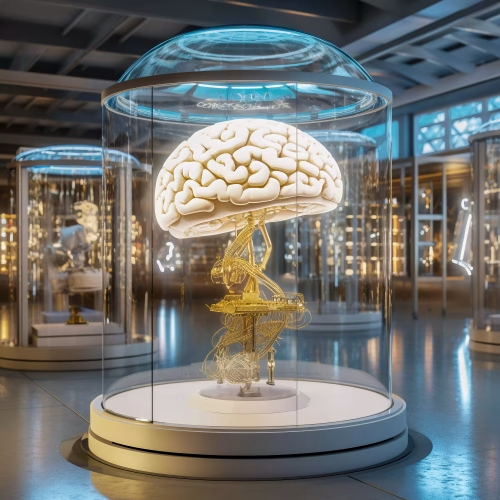
The Intricate Dance of the Aging Brain: A Neuroscience Perspective
At its core, the aging process in the brain is characterized by a myriad of changes at multiple levels. From the individual neurons to the vast networks they form, every component is subject to the passage of time. One of the most significant areas of neuroscience research focuses on neuronal health and synaptic plasticity. Synapses, the tiny junctions where neurons communicate, are vital for learning and memory. With age, these connections can weaken, and their density may decrease, contributing to cognitive decline. Understanding how to preserve or even enhance synaptic function is a key goal for researchers in neurology.
Cellular and Molecular Hallmarks of Brain Aging
Beyond the structural changes, cellular and molecular processes play a crucial role. Chronic inflammation, often referred to as "inflammaging," is a persistent low-grade inflammation that contributes to tissue damage and dysfunction throughout the body, including the brain. Similarly, oxidative stress, caused by an imbalance between free radicals and antioxidants, can damage cellular components. Accumulation of misfolded proteins, such as amyloid-beta and tau in Alzheimer's disease, or alpha-synuclein in Parkinson's disease, represents another significant challenge. Research in biotechnology is actively developing strategies to clear these toxic aggregates or prevent their formation.
Mitochondrial dysfunction is another critical factor. Mitochondria are the powerhouses of our cells, responsible for energy production. As we age, mitochondrial efficiency can decline, leading to energy deficits that impair neuronal function and make them more vulnerable to damage. Furthermore, the brain's capacity for neurogenesis – the generation of new neurons – diminishes with age, particularly in regions vital for memory like the hippocampus. Restoring or enhancing neurogenesis is an exciting frontier in regenerative neuroscience.
Cognitive Decline and Neurodegenerative Diseases: A Deeper Dive
While some degree of cognitive slowing is considered a normal part of aging, significant cognitive decline is not. Memory loss, particularly episodic memory (memory of specific events), and difficulties with executive functions like planning and problem-solving, can severely impact quality of life. Neuroscience research is dedicated to distinguishing between normal age-related changes and the early signs of neurodegenerative diseases. Conditions like Alzheimer's disease and Parkinson's disease represent the extreme end of brain aging, characterized by severe neuronal loss and specific pathological hallmarks.
The global burden of these diseases is immense, driving intensive research efforts. Scientists are exploring genetic predispositions, environmental factors, and lifestyle influences that contribute to their onset and progression. Advances in brain imaging techniques, such as fMRI and PET scans, allow researchers to observe brain activity and detect pathological changes years before clinical symptoms appear, opening new windows for early diagnosis and intervention. This interdisciplinary approach, combining neurology, genetics, and imaging, is crucial for developing effective treatments.
The Transformative Power of Biotechnology in Aging Research
The rapid advancements in biotechnology have revolutionized the field of neuroscience, providing unprecedented tools to probe the complexities of the aging brain. Techniques like single-cell RNA sequencing allow scientists to analyze gene expression in individual neurons, revealing subtle changes that occur with age. CRISPR gene editing offers the potential to correct genetic mutations linked to neurodegenerative diseases, while optogenetics and chemogenetics enable precise control over neuronal activity, allowing researchers to study the function of specific brain circuits.
Furthermore, the development of sophisticated computational models and artificial intelligence (AI) is transforming how we analyze vast datasets generated from brain research. AI can identify patterns in brain imaging, genetic data, and clinical records that might be imperceptible to the human eye, accelerating drug discovery and personalized medicine approaches. This synergy between biotechnology and neuroscience is paving the way for novel therapeutic strategies, from gene therapies to targeted drug delivery systems, all aimed at fostering healthier aging.
Pioneering the Future: Deep Science Workshops and Deep Science Implementation
The journey to conquer the challenges of brain aging requires not only cutting-edge research but also the dissemination of knowledge and the cultivation of future scientists. Initiatives like Deep Science Workshops are pivotal in this regard. They provide immersive learning experiences, bridging the gap between fundamental principles of neuroscience and their practical applications, including computational approaches to understanding synapses and neural networks. These workshops empower aspiring researchers and professionals with the skills needed to contribute to this vital field.
Through practical training and exposure to the latest methodologies, participants gain invaluable insights into areas such as neuroimaging, electrophysiology, and bioinformatics – all critical for advancing research in aging. Similarly, Deep Science Implementation focuses on translating theoretical knowledge into tangible solutions, fostering an environment where innovative ideas can evolve from the laboratory to real-world applications that benefit human health. By focusing on both foundational understanding and practical application, these programs are instrumental in driving progress in neurology and related disciplines.
Conclusion: A Future of Healthier Brain Aging
The ongoing neuroscience research in aging represents one of humanity's most profound endeavors. By meticulously dissecting the mechanisms of brain aging, from the resilience of individual neurons to the intricate dance of synapses, and leveraging the power of modern biotechnology, we are steadily moving towards a future where the challenges of cognitive decline and neurodegenerative diseases can be effectively managed, if not overcome. The insights gained from this research are not merely academic; they hold the promise of enhancing the quality of life for millions worldwide, allowing individuals to maintain their cognitive vitality well into their golden years.
The path ahead is filled with exciting possibilities, from novel therapeutic interventions to personalized preventive strategies. Continued investment in science and collaborative efforts across disciplines will be crucial. For those passionate about contributing to this transformative field, or simply eager to deepen their understanding, opportunities abound. Engaging with programs that offer comprehensive insights, such as those provided by Deep Science Workshops, can be a pivotal step. Embrace the future of neuroscience and join the quest for healthier brain aging.
Join Now