
Unlocking Tomorrow's Cures: Innovations & Future Perspectives in Stem Cell Technology
In the relentless pursuit of medical breakthroughs, few fields hold as much promise and transformative potential as stem cell technology. This dynamic area of biotechnology is at the forefront of revolutionizing healthcare, offering unprecedented avenues for treating diseases that were once considered incurable. From repairing damaged tissues to discovering new drugs, stem cells are redefining the landscape of modern medicine. This article delves into the latest innovations and explores the exciting future perspectives of this groundbreaking science, highlighting how it's paving the way for a new era of regenerative medicine and personalized therapies.
The journey of stem cell research has been marked by incredible discoveries, evolving from basic understanding to sophisticated applications in cell therapy and tissue engineering. As we stand on the cusp of significant advancements, understanding the core principles and cutting-edge developments is crucial for anyone interested in the future of medical science. Join us as we explore the intricate world of stem cells, their diverse applications, and the ethical considerations that shape their progress.
The Foundational Promise of Stem Cells
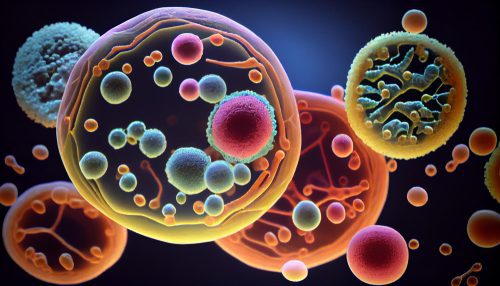
At their core, stem cells are the body’s raw materials—cells from which all other cells with specialized functions are generated. Under the right conditions in the body or a laboratory, stem cells divide to form more cells called daughter cells. These daughter cells either become new stem cells (self-renewal) or become specialized cells (differentiation) with a more specific function, such as blood cells, brain cells, heart muscle cells, or bone cells. No other cell in the body has this natural ability to generate new cell types.
There are several types of stem cells, each with unique properties and potential:
- Embryonic Stem Cells (ESCs): Derived from embryos, these are pluripotent, meaning they can differentiate into any cell type in the body.
- Adult Stem Cells: Found in various adult tissues (e.g., bone marrow, fat), these are multipotent, capable of differentiating into a limited range of cell types within their tissue of origin.
- Induced Pluripotent Stem Cells (iPSCs): A revolutionary discovery, iPSCs are adult cells that have been genetically reprogrammed to an embryonic stem cell-like state, offering a patient-specific and ethically less contentious alternative to ESCs.
Cutting-Edge Innovations in Stem Cell Technology
The field of stem cell technology is continuously evolving, driven by relentless stem cell research and technological advancements. These innovations are not only enhancing our understanding of fundamental biology but also accelerating the development of novel therapies.
Advanced Cell Culture and Tissue Engineering
Beyond traditional 2D cell cultures, scientists are now leveraging advanced techniques to create more physiologically relevant models. 3D bioprinting allows for the precise layering of cells and biomaterials to construct complex tissues and even rudimentary organs. This advancement is critical for tissue engineering, enabling the creation of functional tissues for transplantation and disease modeling. Similarly, the development of organoids—miniature, self-organized 3D tissue cultures derived from stem cells—provides unprecedented opportunities to study human development, disease progression, and drug responses in a more accurate context than ever before. These innovations significantly reduce the need for animal testing and provide more reliable data for drug discovery.
Gene Therapy and Editing with Stem Cells
The convergence of gene therapy and stem cell technology is opening new frontiers. Technologies like CRISPR-Cas9 allow for precise editing of genes within stem cells, correcting genetic defects before the cells are transplanted back into a patient. This approach holds immense promise for treating genetic disorders such as sickle cell anemia, cystic fibrosis, and Huntington’s disease. By genetically modifying a patient’s own stem cells, the risk of immune rejection is significantly minimized, making these therapies safer and more effective. This area of stem cell research is rapidly progressing into clinical trials.
Targeted Delivery Systems and Lab Supplies
Effective delivery of stem cells to the target site within the body is crucial for successful therapy. Innovations in nanotechnology are leading to the development of sophisticated delivery systems that protect stem cells, enhance their survival, and guide them precisely to the damaged tissue. Microfluidic devices and advanced bioreactors are also becoming indispensable lab supplies, enabling the large-scale, high-quality production of stem cells required for widespread therapeutic applications and commercial viability. These technological advancements ensure that the promise of cell therapy can be realized on a broader scale.
Transformative Applications in Regenerative Medicine
The therapeutic potential of stem cells in regenerative medicine is vast and continues to expand. They are being explored for a wide array of conditions, offering hope where conventional treatments fall short.
Treating Neurological Disorders
For conditions like Parkinson’s disease, Alzheimer’s disease, stroke, and spinal cord injuries, stem cell therapy offers a beacon of hope. By replacing damaged neurons or supporting existing ones, stem cells can potentially restore lost neurological function or halt disease progression. Numerous clinical trials are underway, investigating the safety and efficacy of these treatments, with promising early results.
Cardiovascular and Musculoskeletal Repair
Heart disease remains a leading cause of mortality globally. Stem cells are being investigated for their ability to repair heart muscle damaged by heart attacks, improving cardiac function. In orthopedics, tissue engineering approaches using stem cells are being developed to regenerate cartilage in arthritic joints, repair bone fractures, and restore damaged ligaments and tendons, offering alternatives to invasive surgeries and long recovery times.
Diabetes and Autoimmune Diseases
For Type 1 diabetes, researchers are working on differentiating stem cells into insulin-producing pancreatic beta cells, which could potentially cure the disease by restoring the body's ability to regulate blood sugar. Furthermore, the immunomodulatory properties of certain stem cells, particularly mesenchymal stem cells, are being harnessed to treat autoimmune diseases like Crohn’s disease and multiple sclerosis by suppressing overactive immune responses.
Stem Cells in Drug Discovery and Clinical Trials
Beyond direct therapeutic applications, stem cells are revolutionizing the process of drug discovery and development. By creating human-specific disease models in vitro, scientists can screen potential drug candidates more efficiently and accurately, identifying effective compounds while minimizing adverse effects.
Induced pluripotent stem cells (iPSCs) are particularly valuable here. Patient-derived iPSCs can be differentiated into specific cell types affected by a disease, allowing researchers to study disease mechanisms and test drugs on relevant human cells in a dish. This personalized approach to drug screening accelerates the identification of effective therapies and reduces the high failure rate seen in traditional drug development pipelines. Many new drugs are now entering clinical trials after successful pre-clinical testing on stem cell-derived models.
Challenges and Ethical Landscape
Despite the immense potential, the field faces significant challenges. These include ensuring the long-term safety and efficacy of therapies, preventing immune rejection, managing the risk of tumor formation, and scaling up production for widespread clinical use. Ethical considerations, particularly regarding embryonic stem cells, continue to be debated, though the rise of iPSCs has provided viable alternatives that circumvent many of these concerns.
Future Perspectives and the Role of Deep Science Workshops
The future of stem cell technology is vibrant and filled with possibilities. We are moving towards an era of highly personalized medicine, where therapies are tailored to an individual’s genetic makeup and disease profile. The development of 'off-the-shelf' universal donor cells, capable of being transplanted into anyone without immune rejection, is a major goal that would make stem cell therapies more accessible.
The convergence of biotechnology with artificial intelligence, robotics, and advanced materials science will further accelerate discoveries. AI can analyze vast datasets from stem cell research, predict cell behavior, and optimize differentiation protocols. Robotics can automate complex laboratory procedures, increasing efficiency and reproducibility in producing high-quality lab supplies and cell products.
Crucially, the advancement of this field relies on continuous education and practical training. Organizations like Deep Science Workshops and their commitment to Deep Science Implementation play a pivotal role. They provide essential platforms for aspiring scientists and professionals to gain hands-on experience and in-depth knowledge in cutting-edge areas like stem cell technologies and regenerative medicine. Through specialized programs, they bridge the gap between theoretical understanding and practical application, fostering the next generation of innovators who will drive future breakthroughs in cell therapy and beyond.
Engaging with such programs is not just about acquiring knowledge; it’s about becoming part of a community dedicated to pushing the boundaries of what’s possible in medical science. Whether you are a student, researcher, or industry professional, the opportunities to contribute to this transformative field are immense.
Ready to be part of the future of medicine? Enhance your skills and knowledge in this revolutionary field.
Join NowFrequently Asked Questions (FAQs)
What are stem cells and why are they important?
Stem cells are unique cells with the remarkable ability to develop into many different cell types in the body during early life and growth. In many tissues, they serve as an internal repair system, dividing essentially without limit to replenish other cells as long as the person or animal is still alive. Their importance lies in their potential for regenerative medicine, offering new treatments for diseases, injuries, and chronic conditions by repairing or replacing damaged tissues.
What is regenerative medicine?
Regenerative medicine is a groundbreaking field that focuses on developing methods to regrow, repair, or replace damaged or diseased cells, organs, or tissues. It harnesses the body's own healing mechanisms, often utilizing stem cells, tissue engineering, and gene therapy, to restore normal function and health.
How are stem cells used in drug discovery?
Stem cells are revolutionizing drug discovery by providing more accurate human-specific disease models. Induced pluripotent stem cells (iPSCs) can be differentiated into various cell types (e.g., neurons, cardiomyocytes) from patients with specific diseases, allowing researchers to study disease mechanisms in a dish and screen potential drug candidates for efficacy and toxicity more effectively, reducing reliance on animal models.
What are the future prospects of stem cell technology?
The future of stem cell technology is incredibly promising, pointing towards personalized medicine where therapies are tailored to individual patients. We anticipate advancements in 'off-the-shelf' universal donor cells, enhanced gene editing for disease correction, and the development of more complex organoids for drug testing and transplantation. Continued stem cell research, supported by initiatives like Deep Science Workshops, will unlock even greater therapeutic potential.
How can I learn more about stem cell technologies and regenerative medicine?
To delve deeper into this fascinating field, consider enrolling in specialized programs and workshops. Deep Science Workshops offers comprehensive courses, such as their program on Stem Cell Technologies and Regenerative Medicine, designed to provide hands-on experience and theoretical knowledge essential for understanding and contributing to this rapidly evolving domain. Visit their website to explore learning opportunities.