
The field of stem cell research is a rapidly evolving frontier in modern medicine, holding immense promise for treating a wide array of diseases and injuries. From regenerating damaged tissues to developing novel therapies for chronic conditions, stem cells are at the heart of regenerative medicine. This dynamic domain offers a diverse range of career paths and opportunities for aspiring scientists, clinicians, and innovators. If you're passionate about making a tangible impact on human health and pushing the boundaries of scientific discovery, a career in this field could be your calling. This article will delve into the various avenues available, the skills required, and how specialized training, such as that offered by Deep Science Workshops, can propel your journey in this groundbreaking sector.
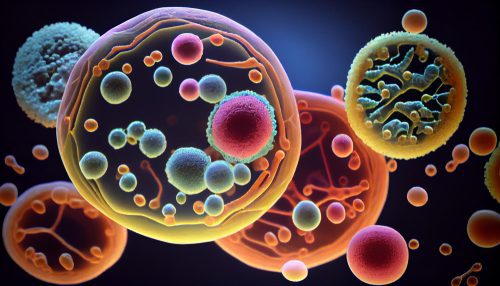
Stem cell research is not a monolithic field; it encompasses a broad spectrum of disciplines, each offering unique challenges and rewards. At its core, it involves understanding the fundamental biology of stem cells – their self-renewal capabilities and their potential to differentiate into various specialized cell types. This foundational knowledge is then translated into practical applications, forming the basis of regenerative medicine and cell therapy. The interdisciplinary nature of this field means it intersects with genetics, molecular biology, pharmacology, bioengineering, and clinical medicine, creating a rich tapestry of career paths and opportunities. The global market for stem cell therapy is projected to grow significantly, indicating a robust demand for skilled professionals in the coming years.
Many professionals in stem cell research begin their careers in academia, working at universities or dedicated research institutes. Here, the focus is on fundamental discovery – unraveling the mysteries of stem cells, identifying new types, and understanding their mechanisms of action. Roles range from research assistants and postdoctoral fellows to principal investigators leading their own labs. This path often involves designing and executing experiments, analyzing complex data, securing competitive research grants, and publishing groundbreaking findings in prestigious scientific journals. It's an ideal environment for those who thrive on intellectual curiosity, the pursuit of pure scientific understanding, and contributing to the global knowledge base that underpins all advancements in regenerative medicine.
The private sector, particularly the dynamic biotechnology and pharmaceutical industries, offers robust and often fast-paced career paths and opportunities in translating basic research into commercial products and therapies. Companies are actively involved in developing novel cell therapy products, conducting high-throughput drug screening using stem cell models, and manufacturing specialized lab equipment and reagents essential for research and clinical applications. Positions include R&D scientists focused on product development, process development engineers optimizing manufacturing protocols, quality control specialists ensuring product integrity, and clinical affairs managers overseeing trials. The pace here is often faster, driven by market demands and the imperative to bring life-changing treatments to patients efficiently. Companies like those involved in Deep Science Implementation are at the forefront of this critical translation, bringing innovative solutions from the bench to the bedside.
As stem cell research progresses from the laboratory to clinical application, the demand for professionals in clinical and translational settings grows exponentially. This includes a variety of roles in hospitals and specialized clinics that offer cutting-edge regenerative medicine treatments. Physicians, clinical research coordinators, nurses specializing in cell therapy administration, and medical technologists are crucial. A significant and expanding area of growth is in clinical trials, where new stem cell-based therapies undergo rigorous testing for safety and efficacy in human subjects. Professionals in this area bridge the critical gap between bench research and bedside application, directly impacting patient care and contributing to the validation of new therapeutic modalities. This path requires a strong understanding of both scientific principles and patient care protocols.
Tissue engineering is a highly specialized and innovative branch of regenerative medicine that combines principles of biology, engineering, and materials science to create functional tissues and organs for transplantation or disease modeling. Professionals in this area work on designing and developing biocompatible scaffolds for cell growth, utilizing advanced techniques like bioprinting to create complex three-dimensional structures, and integrating various types of stem cells into these constructs to mimic native tissue function. This field requires a strong understanding of both biological processes and engineering principles, offering unique and exciting career paths and opportunities for those with a multidisciplinary background who are keen on creating tangible biological solutions.
The convergence of gene therapy and stem cell research is opening entirely new frontiers in treating genetic disorders and intractable diseases. Scientists are exploring how to genetically modify stem cells to correct inherited genetic defects, enhance their therapeutic properties, or make them resistant to diseases like HIV. Roles in this area involve advanced molecular biology techniques, proficiency in gene editing tools (such as CRISPR-Cas9), and a deep understanding of viral vectors and non-viral delivery systems. This is a cutting-edge field with immense potential for developing highly personalized and curative treatments, requiring meticulous attention to detail and a strong grasp of both genetic principles and cellular manipulation.
Given the novel and complex nature of stem cell therapies and regenerative medicine products, stringent regulatory oversight is absolutely critical to ensure patient safety and product efficacy. Professionals in regulatory affairs play a pivotal role in navigating the intricate landscape of health authority guidelines (e.g., FDA, EMA). This involves understanding complex regulations, preparing comprehensive documentation for investigational new drug (IND) applications and marketing authorizations, and ensuring continuous compliance throughout the entire research, development, and manufacturing pipeline. It's a vital role for ensuring responsible innovation and bringing safe and effective therapies to market in the field of biotechnology.
To thrive in the diverse stem cell research career paths and opportunities, a strong foundation in biological sciences is paramount. A bachelor's degree in biology, biochemistry, genetics, microbiology, or biotechnology is typically the starting point. For advanced research, leadership, and clinical roles, a Master's or Ph.D. is often required, specializing in molecular biology, cell biology, developmental biology, or biomedical engineering. Key skills that employers seek include:
While formal academic education provides a strong theoretical base, practical skills and direct exposure to cutting-edge techniques are often the differentiating factors for securing competitive roles in this rapidly advancing field. This is precisely where specialized training programs like those offered by Deep Science Workshops become invaluable. Programs such as "Stem Cell Technologies and Regenerative Medicine" are meticulously designed to provide intensive, hands-on experience with advanced methodologies, effectively bridging the gap between academic knowledge and the practical demands of industry and clinical settings. These workshops are tailored to cover:
Participating in such immersive workshops, part of the broader Deep Science Implementation initiative, not only significantly enhances your technical proficiency and practical skills but also expands your professional network, connecting you with leading experts and peers in the field. This practical, immersive learning experience is often the differentiator that sets successful candidates apart in a competitive job market, especially for roles involving complex gene therapy, intricate tissue engineering projects, or managing clinical trials. Invest in your practical expertise to unlock unparalleled career paths and opportunities.
The future of stem cell research is incredibly promising and dynamic, with continuous breakthroughs in understanding disease mechanisms and developing innovative treatments. As more clinical trials yield positive results and new therapies gain regulatory approval, the demand for skilled professionals across all sectors – from basic research to clinical application and commercialization – will only continue to grow. The convergence of artificial intelligence, advanced imaging, and genomics with stem cell research promises even more exciting developments. Whether your interest lies in discovering new therapies, bringing them to market, or directly impacting patient lives through transformative regenerative medicine, the field of stem cell research offers a rewarding, impactful, and ever-evolving career journey. Embrace the opportunities, continuously learn, and contribute your expertise to a healthier, more advanced future for humanity.
Join Now