
Genomic and Proteomic Approaches: Decoding Cancer's Blueprint
At the heart of modern cancer research lies the ability to understand cancer at its most fundamental level: the genetic and protein landscape of tumor cells. Genomic techniques, such as Next-Generation Sequencing (NGS), allow scientists to rapidly sequence entire cancer genomes, identifying mutations, amplifications, and deletions that drive tumor growth. This deep dive into molecular biology provides invaluable insights into the unique characteristics of each patient's tumor, facilitating personalized cancer treatment. Proteomics complements genomics by studying the entire set of proteins expressed by cancer cells. Techniques like mass spectrometry help identify aberrant protein expression or modifications that can serve as crucial biomarker candidates for early detection, prognosis, or predicting treatment response. Understanding these molecular signatures is vital for targeted drug discovery, leading to therapies that specifically attack cancer cells while sparing healthy ones.
Immunotherapy: Unleashing the Body's Natural Defenses
Perhaps one of the most transformative breakthroughs in recent oncology is the advent of immunotherapy. This revolutionary approach harnesses the power of the patient's own immune system to fight cancer. Instead of directly attacking tumor cells, immunotherapy aims to boost or restore the immune system's ability to recognize and destroy them. Key strategies include:
- Checkpoint Inhibitors: Drugs that block proteins (like PD-1 or CTLA-4) that cancer cells use to evade immune detection, thereby "releasing the brakes" on the immune response.
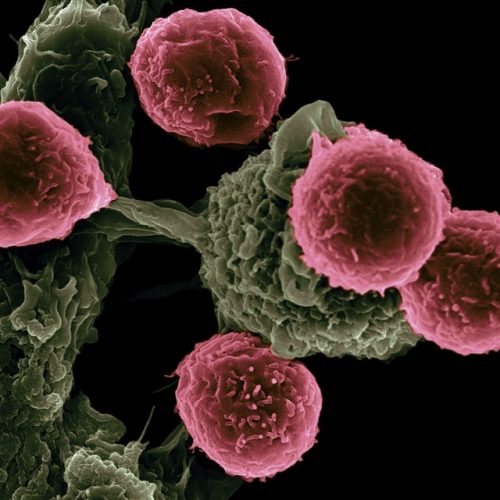
- CAR T-cell Therapy: A highly personalized cancer therapy where a patient's T-cells are genetically engineered in the lab to express chimeric antigen receptors (CARs) that specifically target cancer cells, then reinfused into the patient. This cutting-edge biotechnology offers profound hope for certain blood cancers.
- Oncolytic Viruses: Viruses engineered to selectively infect and destroy cancer cells, while also stimulating an anti-tumor immune response.
Gene Therapy and Targeted Drug Discovery: Precision Strikes
Gene therapy represents a sophisticated form of cancer treatment that involves introducing, removing, or modifying genetic material within a patient's cells to treat or prevent disease. In oncology, this can involve:
- Introducing genes that make cancer cells more sensitive to chemotherapy or radiation.
- Inserting genes that produce anti-cancer proteins or toxins within tumor cells.
- Correcting genetic defects that predispose individuals to cancer.
The Role of Stem Cells in Cancer Research and Therapy
Stem cells play a dual and complex role in oncology. On one hand, cancer stem cells (CSCs) are a subpopulation of tumor cells believed to be responsible for tumor initiation, progression, metastasis, and resistance to conventional therapies. Understanding CSC biology is crucial for developing therapies that eradicate these resilient cells, preventing recurrence. On the other hand, healthy stem cells are vital for regenerative medicine and supportive care in cancer therapy. For instance, hematopoietic stem cell transplantation (HSCT) is a life-saving procedure for many blood cancers, replacing diseased bone marrow with healthy stem cells. Research into stem cells also contributes to understanding normal cell development and differentiation, providing insights into what goes wrong in cancer. This area of biotechnology continues to expand, offering new avenues for both understanding and treating the disease.
Advanced Imaging and Diagnostic Techniques
Beyond molecular and cellular approaches, advancements in imaging and diagnostic techniques are critical for early detection, accurate staging, and monitoring treatment response in oncology. High-resolution imaging modalities like PET scans, MRI, and CT scans provide detailed anatomical and functional information about tumors. Furthermore, liquid biopsies, which analyze circulating tumor DNA (ctDNA) or circulating tumor cells (CTCs) from a simple blood sample, are revolutionizing non-invasive biomarker detection and monitoring. These techniques offer a less invasive way to track disease progression and treatment efficacy, representing a significant leap forward in personalized cancer care and the broader field of cancer research. The integration of artificial intelligence and machine learning with these imaging and diagnostic tools further enhances their precision and utility.
The Future of Cancer Biology Research: Integration and Innovation
The landscape of cancer biology research techniques is dynamic and rapidly evolving. The future lies in the integration of these diverse approaches, fostering a holistic understanding of cancer. Multi-omics studies combining genomics, proteomics, metabolomics, and epigenomics are providing unprecedented insights. Furthermore, the application of computational biology and big data analytics, often facilitated by organizations focused on Deep Science Implementation, is accelerating the pace of discovery in drug discovery and biomarker identification. Collaborative efforts across institutions and disciplines, fueled by initiatives like Deep Science Workshops, are essential to translate laboratory findings into tangible benefits for patients. The journey towards a world free from cancer is long, but with each new technique and every dedicated researcher, we move closer to achieving more effective prevention, diagnosis, and cancer therapy for all.
Join Our Molecular Basis of Cancer Therapeutics and Targets Program Now!