
The fight against cancer is one of humanity's most critical endeavors, driven by dedicated professionals in the fields of cancer research and biotechnology. These individuals are at the forefront of scientific discovery, working tirelessly to unravel the complexities of diseases, develop innovative diagnostics, and pioneer life-saving treatments. As the demand for skilled researchers continues to grow, so does the curiosity about the career paths and, importantly, the salary expectations for cancer researchers. This comprehensive guide will delve into the financial aspects of a career in this vital domain, exploring various roles, influencing factors, and the immense value these professionals bring to global health.
A career in cancer research is more than just a job; it's a calling. It involves meticulous experimentation, critical analysis, and a relentless pursuit of knowledge to combat one of the leading causes of mortality worldwide. From the intricate world of molecular biology to the cutting-edge advancements in gene editing and drug discovery, the landscape of oncology research is vast and ever-evolving. Understanding the potential earnings in this field can help aspiring scientists and current professionals alike navigate their career trajectories and make informed decisions about their future.
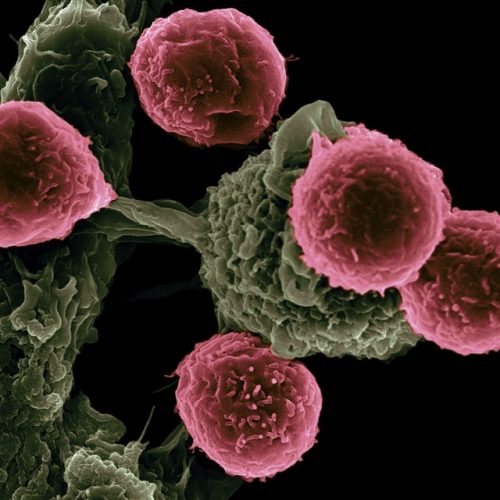
The field of cancer research is incredibly broad, encompassing a multitude of specializations, each with its unique demands and compensation structures. Researchers can work in academia, pharmaceutical companies, biotechnology firms, government agencies, or non-profit organizations. Each sector offers different career progression paths and salary scales. For instance, a researcher focusing on molecular biology in an academic setting might have a different salary trajectory than one involved in drug discovery within a large pharmaceutical corporation. The choice of sector significantly influences the salary expectations for cancer researchers, with industry roles often leading the way in compensation.
For those just embarking on their journey in cancer research, entry-level positions typically include Research Assistants, Lab Technicians, or Junior Scientists. These roles often require a Bachelor's or Master's degree in a relevant scientific discipline like biology, biochemistry, or molecular biology. Salaries for these positions can range from $40,000 to $60,000 annually, depending on the institution's location and type. These roles are crucial for gaining hands-on experience with sophisticated lab equipment, mastering experimental protocols, and understanding the foundational principles that underpin advancements in cancer therapy. This initial phase is vital for building a strong scientific foundation.
As researchers gain experience and often pursue higher education (Ph.D. or Postdoctoral Fellowships), their earning potential significantly increases. Mid-career roles, such as Postdoctoral Researchers, Staff Scientists, or Senior Research Associates, typically command salaries ranging from $60,000 to $90,000. At this stage, individuals often specialize in highly sought-after areas like cancer immunology, genomics, precision medicine, gene editing (e.g., CRISPR-Cas9 technologies), or specific aspects of novel cancer therapy development. Their expertise becomes invaluable in designing complex experiments, analyzing intricate biological data, and contributing to significant breakthroughs. Many advanced biotechnology jobs fall into this category, offering competitive compensation due to the industry's rapid innovation and demand for specialized skills.
At the pinnacle of a cancer research career are roles such as Principal Investigators (PIs), Research Directors, and Vice Presidents of Research and Development. These positions require extensive experience, a strong publication record, and often a proven track record in securing substantial research grants. Salaries for senior roles can easily exceed $100,000, with top-tier leadership positions in major pharmaceutical and large biotechnology companies reaching $150,000 to $300,000 or more, sometimes even higher for executive roles. These leaders are responsible for setting ambitious research agendas, managing large multidisciplinary teams, and driving the strategic direction of complex drug discovery and development programs. They are instrumental in translating fundamental scientific insights into tangible clinical applications for advanced cancer therapy, shaping the future of oncology.
Several critical factors dictate the salary expectations for cancer researchers, making it a dynamic and often rewarding career choice:
While the salary expectations for cancer researchers are a significant practical consideration, the intrinsic rewards of this field are arguably even more profound. Contributing directly to the eradication of cancer, improving patient outcomes, and significantly advancing global scientific knowledge offers an unparalleled sense of purpose and fulfillment. Researchers are at the forefront of developing new forms of cancer therapy, from targeted molecular treatments and groundbreaking immunotherapies to revolutionary gene editing techniques that promise to rewrite the future of medicine. The profound satisfaction of seeing one's meticulous work potentially save countless lives or alleviate immense suffering is a powerful motivator, transcending monetary compensation.
The field is continuously evolving at an astonishing pace, driven by new discoveries in molecular biology and rapid advancements in technology. Staying abreast of the latest developments by attending prominent biotech conferences, engaging with cutting-edge publications, and mastering the use of advanced lab equipment and methodologies are crucial for continuous professional development and career longevity. These events also provide excellent networking opportunities within the vibrant and collaborative community of biotechnology jobs, fostering collaborations that can accelerate research progress.
The outlook for cancer research careers remains exceptionally strong and is projected to grow, fueled by ongoing global efforts to combat the disease, an aging population, and significant, sustained investments in the biotechnology and pharmaceutical sectors. As scientific understanding of cancer's complexities deepens, new avenues for innovative drug discovery and highly effective cancer therapy will continue to emerge, creating a sustained and increasing demand for skilled professionals across all levels.
Aspiring and current cancer researchers can significantly enhance their career prospects and earning potential by:
For those passionate about making a tangible and lasting difference in global health, a career in cancer research offers not only competitive financial rewards but also the profound satisfaction of contributing to life-saving advancements. Understanding the molecular basis of cancer and translating that intricate knowledge into effective therapeutics is a complex, challenging, but ultimately incredibly rewarding journey. Programs focusing on Deep Science Implementation can provide the practical skills and theoretical knowledge needed to excel in this dynamic and impactful field, preparing the next generation of cancer fighters.
Ready to contribute to the next generation of cancer breakthroughs? Deepen your understanding of cancer therapeutics and targets.